Family ad examples worth cloning, not just admiring


Search family ad examples and the first page shows almost no ads. A 2014 slideshow. UK snack listicles. Agency posts that describe famous TV spots, then link off to YouTube — TrendHunter's "28 heartfelt family campaigns" gives 28 ads a combined 244 words, and it ran in 2014. Nobody shows the family advertising you could clone. So here it is: real family ads pulled from the Meta Ad Library and broken down at the composition level, not just described — and the longest-runners aren't the buzzy DTC names. They're a boring babywearing carrier and a diaper ad written in a baby's voice.
What actually makes a family ad work
Family ads market products bought by parents for the whole household — baby gear, developmental toys, kids' food, and family CPG. They differ from generic product ads by selling to the parent as the buyer while using the child as the emotional trigger, which is why kid-hero framing and parent-pain copy outperform feature-led messaging.
That splits into three levers. The child's face is the emotional hook that stops the scroll. The parent-pain line — sleep, feeding, safety — is the cognitive hook that earns the click. And the palette is matched to the child's stage, because a neon toddler-toy scheme on a newborn ad reads as wrong before a parent can say why. Get the palette wrong and you lose trust in the first half-second. AdDogs extracts a brand's real palette when it clones a reference, so matching the age becomes a setting rather than a redraw.
One clarification before the teardowns: a family ad is not a family brand. This post is about ads that sell family products, not shared-name umbrella branding like Kraft or Nivea.
Real family ad examples, broken down
Strong family ads sell to the parent while performing because of the child. We lead with the long-runners, because survival is the only honest proof we have. Every ad below was captured from the Meta Ad Library, run-length measured against the April 2026 snapshot.
Ergobaby leads with the parent, not the product
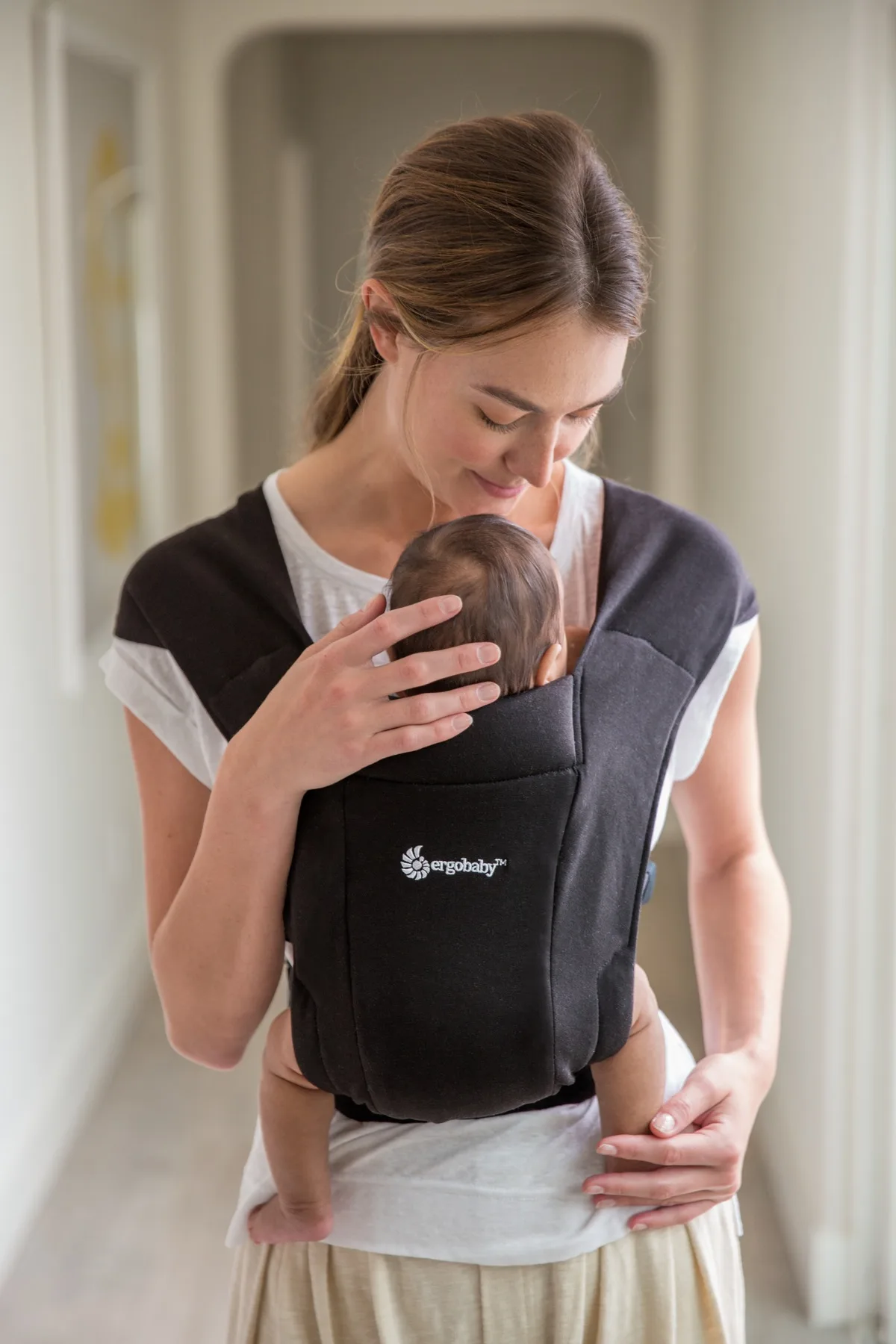
"Easy for Mom, Cosy for Baby." As of the April 2026 snapshot, this Embrace carrier ad had been running 1,140 days, the single most-proven one in the corpus, and it is not a viral DTC darling. The headline sells the parent's benefit first (easy) and the baby's second (cosy). The product is in frame but subordinate to the promise. A carrier is a solved problem; the ad sells the relief, not the buckles.
Clone this layout: parent-benefit headline, product held by a real parent, comfort word for the child in the back half of the line. Swap the carrier for your product and the "easy" for your parent's specific relief.
Huggies writes the ad in the baby's voice
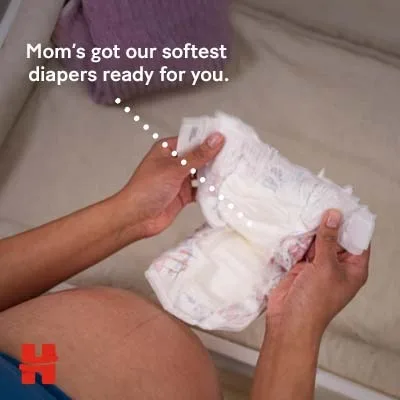
"Special Delivery Diapers," narrated in the baby's own first-person voice, two ads at 465 and 393 running days. The copy device does the work: a diaper is the least emotional object in the nursery, so Huggies hands the microphone to the one character a parent cannot say no to. First-person from the baby turns a commodity into a message from your kid.
Clone this layout: write the headline as if the child is speaking. It reframes any baby SKU — bottles, wipes, sleepwear — from a spec into a request.
Lovevery sells education, not product shots
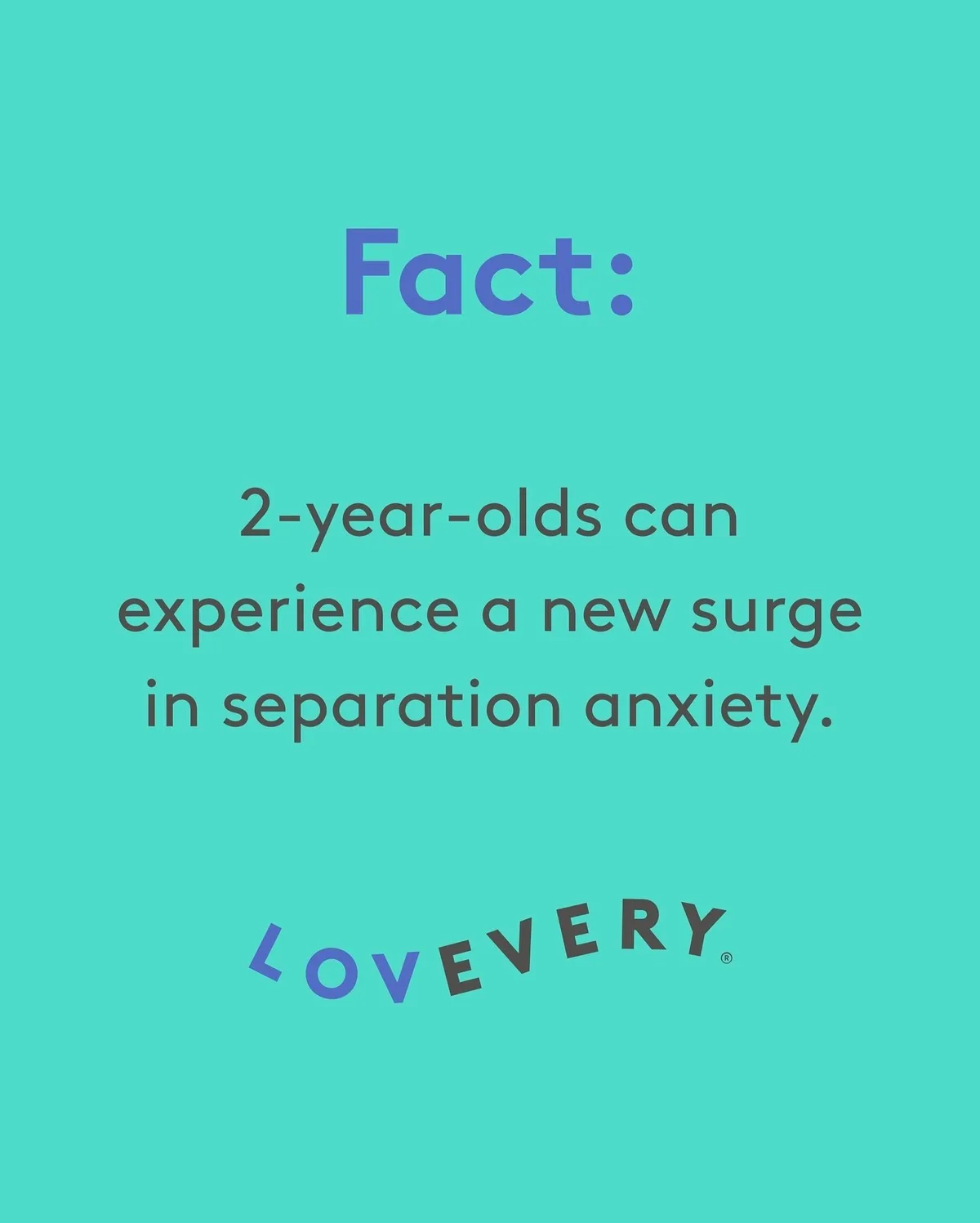
Four of the five Lovevery ads we captured show no product at all. That is the receipt behind the whole "sell to the parent" thesis. The "Fact:" card is a repeatable system: the word "Fact:" in a brand color, one developmental sentence, and the wordmark on a flat background. One reads "Fact: 2-year-olds can experience a new surge in separation anxiety." Another, same template on a different palette: "Fact: Your baby's first smile is the beginning of their social relationship with you." No SKU, no price. Just the brand acting as the parenting expert who happens to sell the toys.
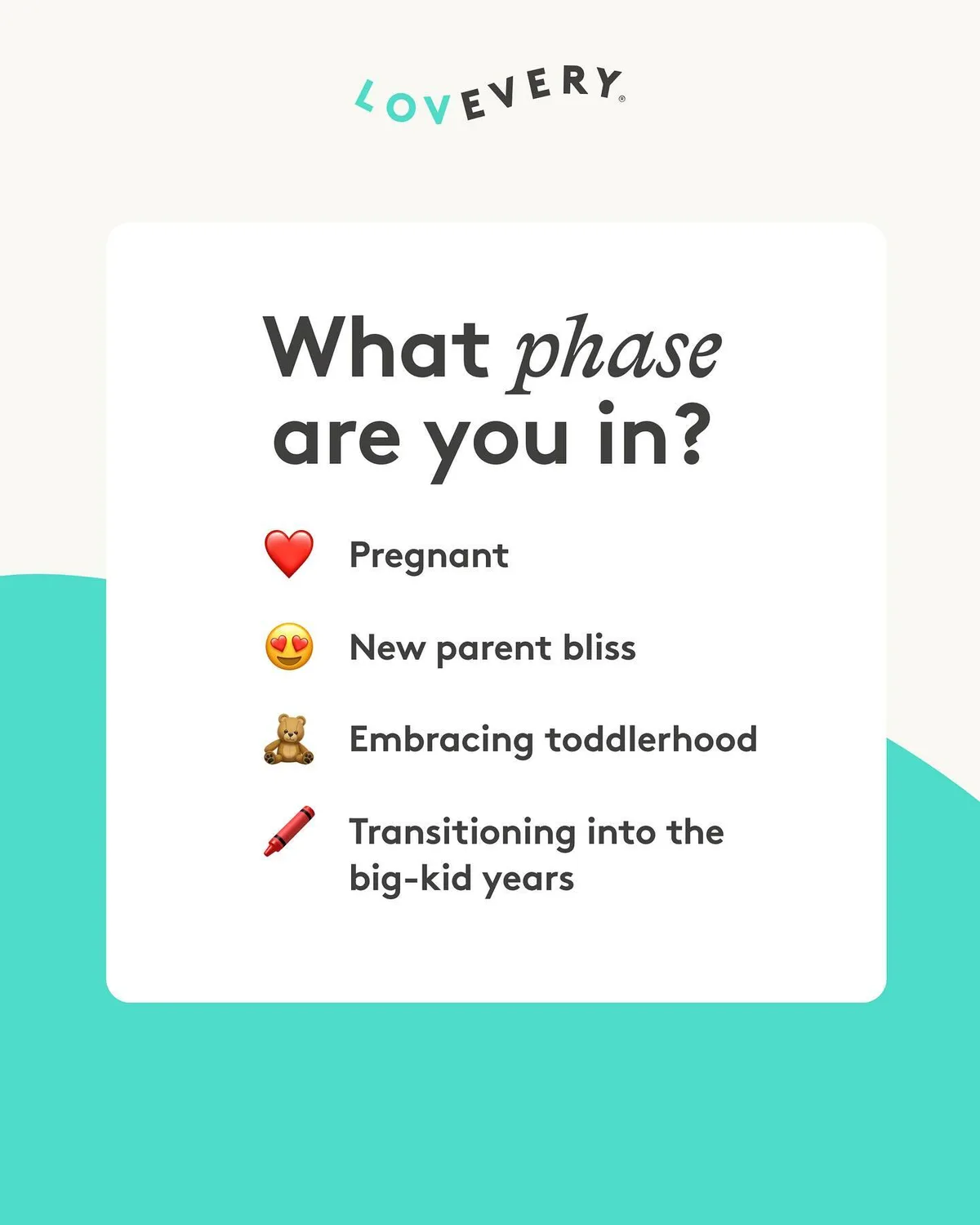
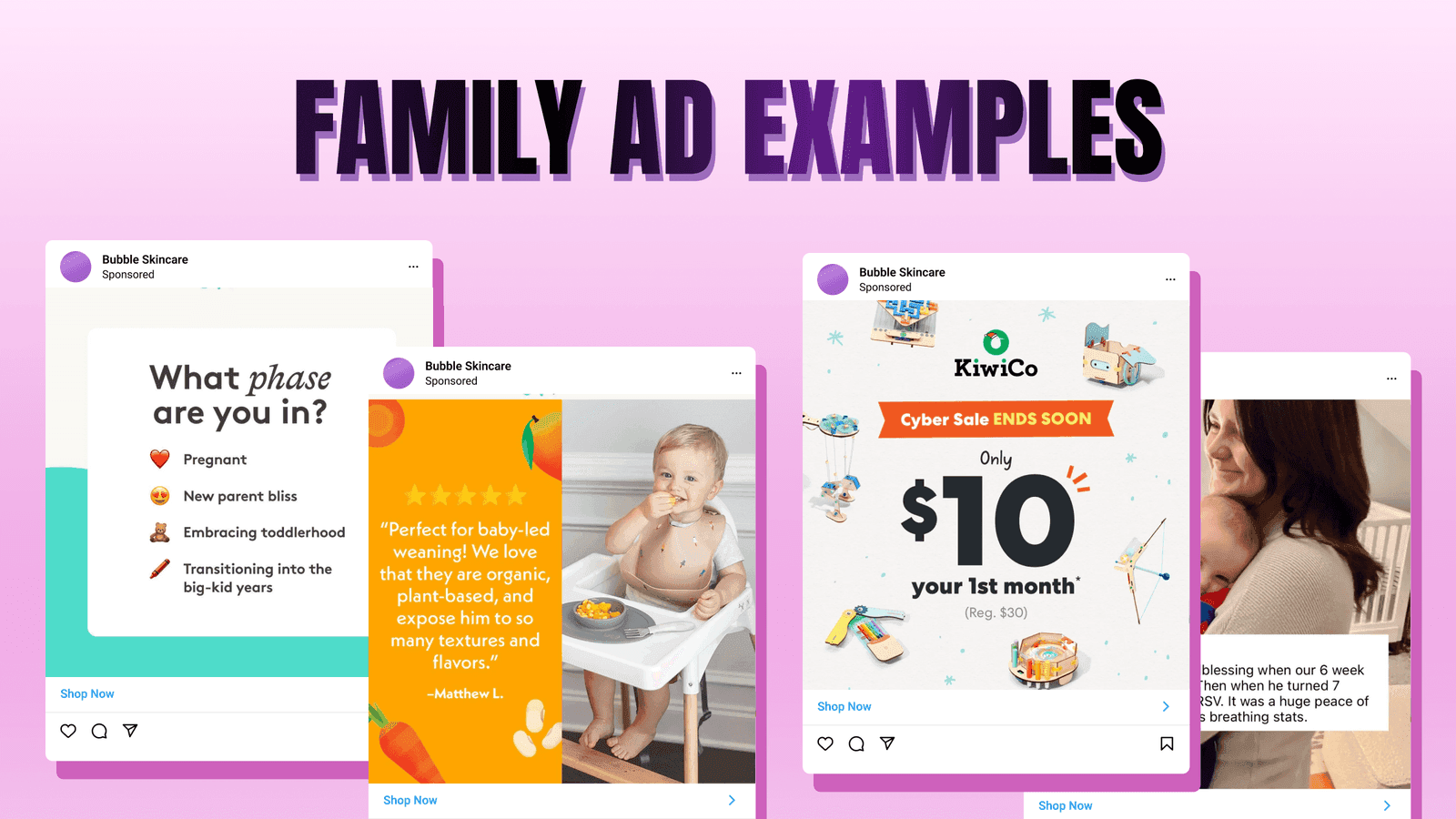
Lovevery's phase quiz does something even sharper. "What phase are you in?" with four emoji options: ❤️ Pregnant, 😍 New parent bliss, 🧸 Embracing toddlerhood, 🖍️ Transitioning into the big-kid years. Zero product on the frame. The ad is an audience-sorting mechanism: it segments a cold audience by parenting stage before a single feature is mentioned, so the follow-up ad already knows who it is talking to.
Two clonable systems live here. The "Fact:" card — headline "Fact:" plus one true sentence plus wordmark on a flat brand color. And the IG-Stories poll — "What does a Lovevery Subscription give you?" answered by "Parenting confidence ☺️ / Years of developmental play 🌟 / Expert guidance 👩🔬," which sells the subscription on outcomes, never toy specs.
Clone this layout: build one "Fact:" card per objection your buyers actually raise, and one poll that sorts your audience by stage. Both are pure copy-and-color templates. Lovevery earns its spot on repeatability, not run-length: these cards carry no survival number the way Ergobaby's and Huggies' do, but they rebuild faster than anything else in this post.
Nanit reframes a baby monitor as parenting confidence
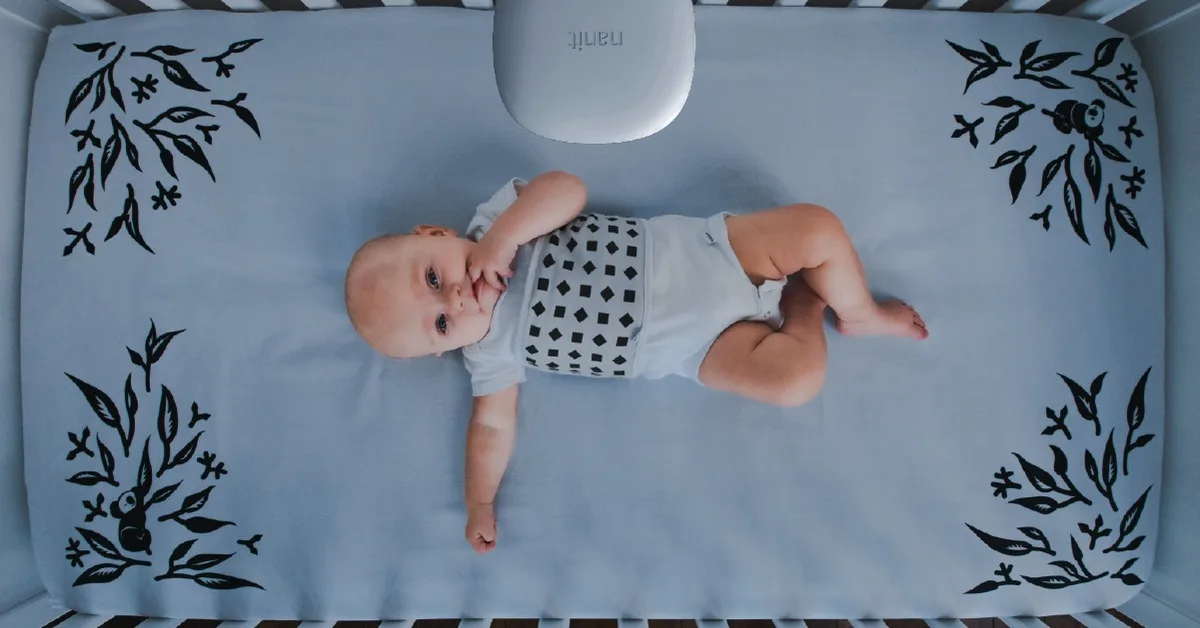
Nanit runs five distinct archetypes, and the most instructive one runs no copy at all. The 74-day workhorse is a top-down crib shot with the wordmark on the monitor unit and nothing else — no headline, no offer. The short-flights, by contrast, are dense with text and lasted 4 to 16 days. The proven survivor is the quiet one. That contrast is the lesson: heavy copy is often a symptom of an ad that has to argue because the image cannot carry the promise.
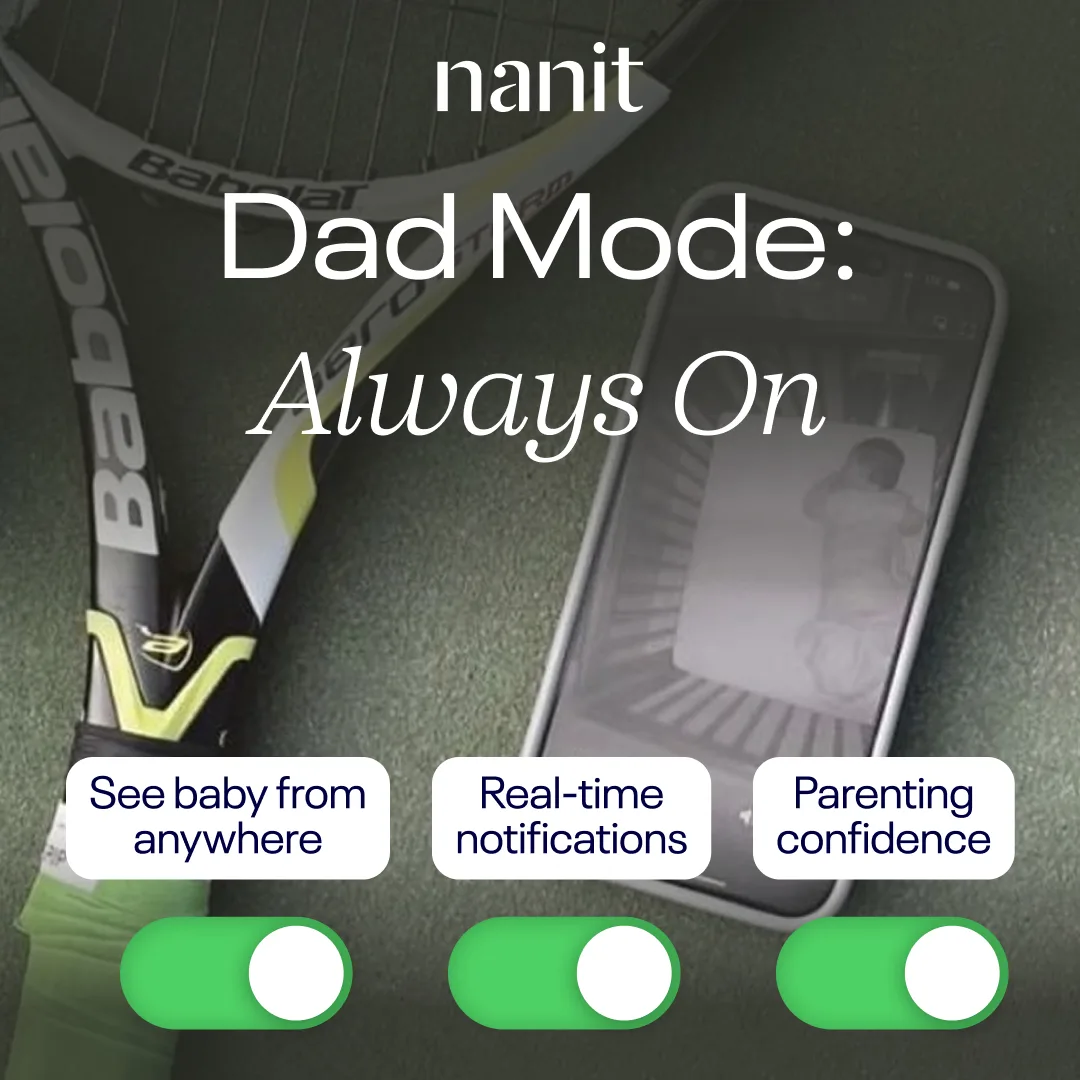
"Dad Mode: Always On," with "Always On" set in italic serif, sits above three white pill chips — "See baby from anywhere," "Real-time notifications," "Parenting confidence" — each with a green toggle switched on. Surveillance is a hard thing to sell to a parent, so Nanit converts it into a control panel you get to leave on. The toggle device is the whole teardown: it turns anxiety into agency.
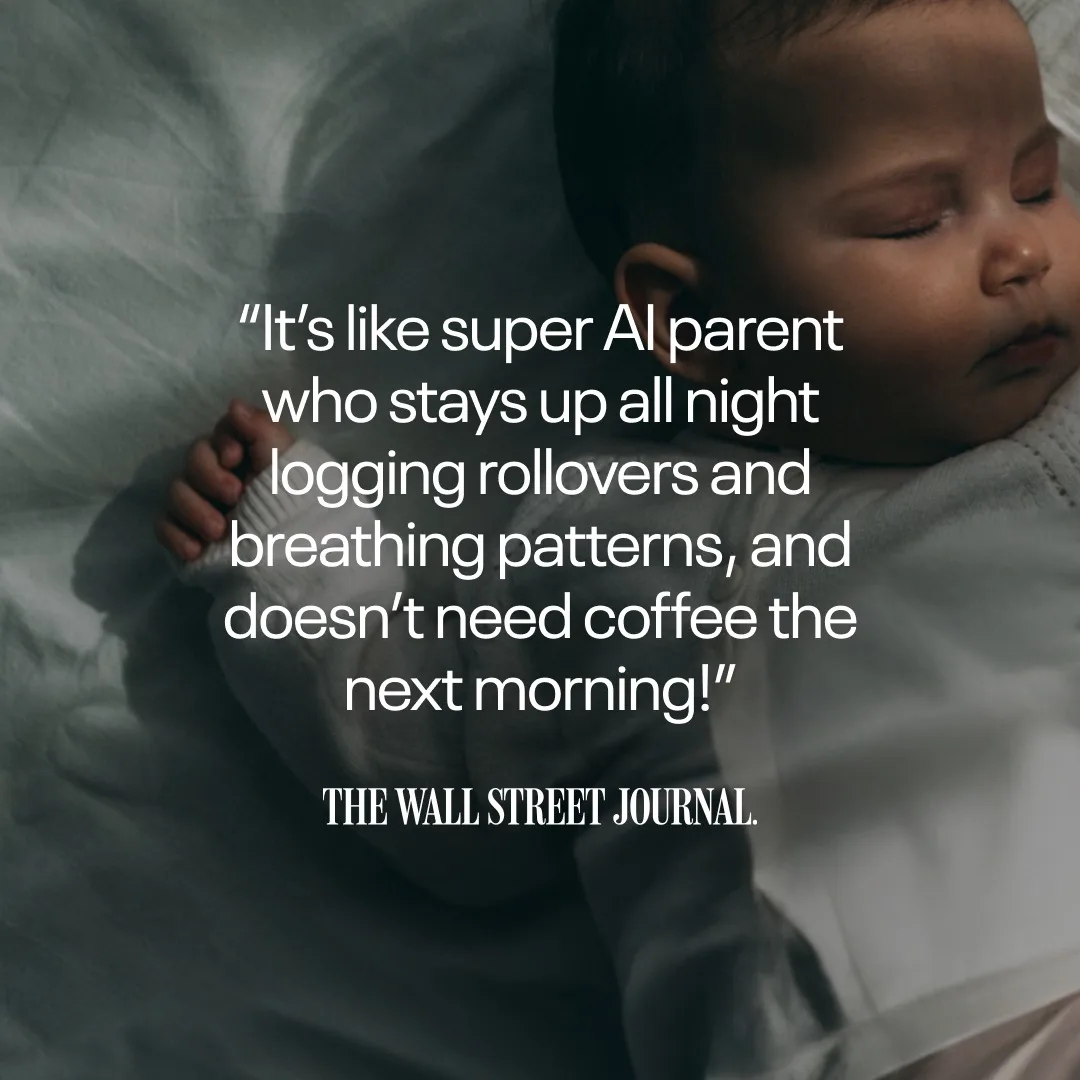
Nanit's borrowed-authority archetype drops the logo entirely. Over a sleeping baby sits a line attributed to the Wall Street Journal masthead, not to Nanit: "It's like super AI parent who stays up all night logging rollovers and breathing patterns, and doesn't need coffee the next morning." The publication is the credibility mark. A fourth ad stacks an oversized "20% off" over legible in-app screens, letting the product's own dashboard serve as proof before the discount closes.
Clone this layout: pick the reframe your category needs — fear into relief, chore into control, feature into third-party endorsement — and let one device (a toggle row, a masthead, a dashboard screenshot) carry it. Then test the no-copy version against the heavy-copy version, because Nanit's survivor says the quiet one might win.
Brands that advertise to families, and how
Category leaders do not run product catalogs. They segment, they educate, and they borrow authority, then let the child do the emotional work. The Lovevery and Nanit teardowns above are that pattern in miniature: segment, educate, borrow authority.
Once Upon a Farm anchors the family-CPG pillar with "Trusted by Parents, Loved by Little Ones," a 177-day ad whose headline splits the two audiences in one line. Parents get trust, kids get love, and the buyer sees both jobs done at once.
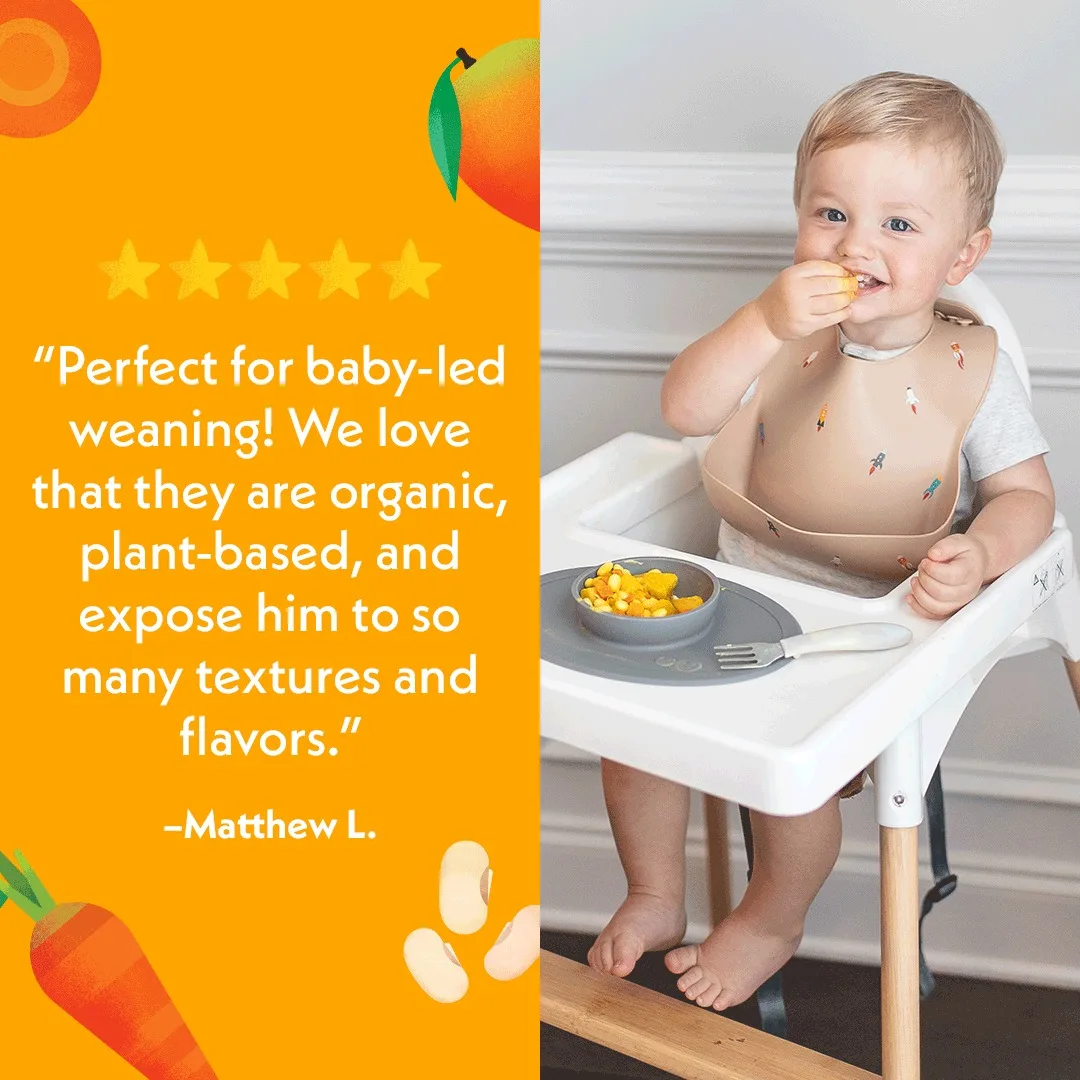
Clone this layout: name both audiences in one headline — trust for parents, love for kids — so a single line does two jobs at once.
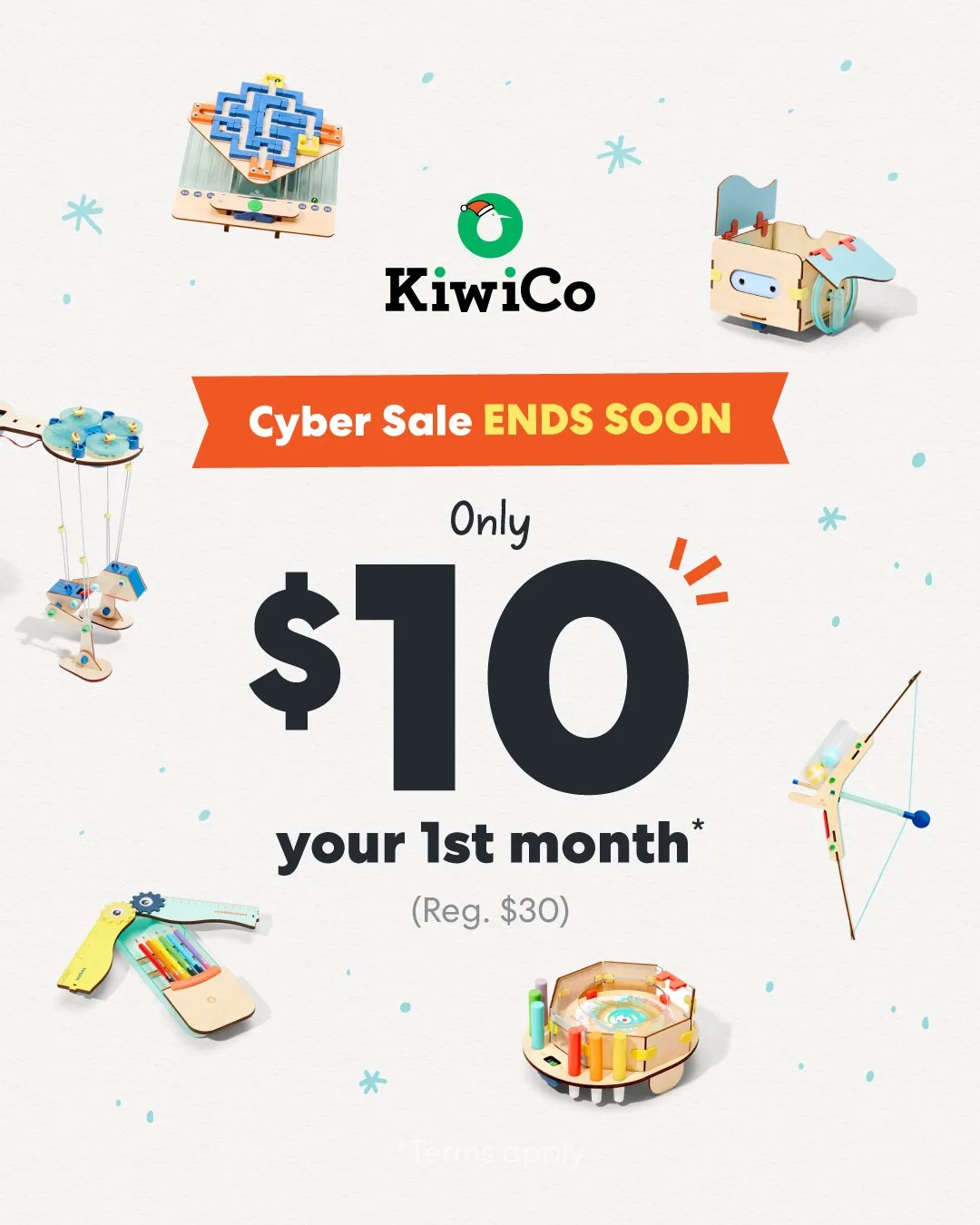
KiwiCo is the useful counter-example. "$10 your 1st month (Reg. $30)" ran 7 days as a Cyber Sale promo: discount-led, short-lived, not an evergreen brand ad. It is worth studying as the thing most family brands over-produce and under-perform with: the seasonal price-drop that spikes and dies. Set against Ergobaby's 1,140-day carrier ad, the contrast writes itself.
Every one of these is browsable and clonable in the full kids and family ad-example gallery, which samples hundreds of real DTC creatives across babywearing, diapers, developmental toys, and baby tech.

Create your own kids-family product ads
Create your ad
What baby and family ads cost to run
Cheap iteration is the real upside. Independent panels agree baby and family is a low-cost, above-median-efficiency vertical: Triple Whale puts Baby at a $30.04 Meta CPA, about 21% below its $38.17 all-industry median, on 2.17x ROAS, and WordStream/LocaliQ ranks Baby and Parenting the lowest CPC of any industry with the smallest CPM inflation, up just 8% year over year against a 20% median. Click-through is where the two disagree, so take the bracket, not an average: Triple Whale reports 1.91% on DTC purchase campaigns, WordStream 3.12% on traffic-objective links. WordStream's $0.093 is a traffic-click cost, not an acquisition cost. Cheap clicks, not cheap customers.
How to advertise to families without getting flagged
Meta rejects baby and kids creative on one rule more than any other: negative self-perception. Its Health and Wellness ad standard says ads "must not imply or attempt to generate negative self-perception." The two named banned executions are a "side-by-side comparison after…transformation for weight loss" and a "close up on specific body area by pinching fat." Neither is obviously a baby-product problem — until you write a before-and-after sleep-training ad and trip the wire.
A second trap is the personal-attributes rule. Second-person health copy that implies a personal attribute gets rejected: Meta bans "Do you have diabetes?" and allows "New diabetes treatment available." The baby-product version is "Does your baby have reflux?" Reframe it to a neutral product statement and the same ad clears. And for anyone under 18, Meta's teen policy is blunt: "Age and location will be the only information about a teen" available for targeting, with gender removed in 2023.
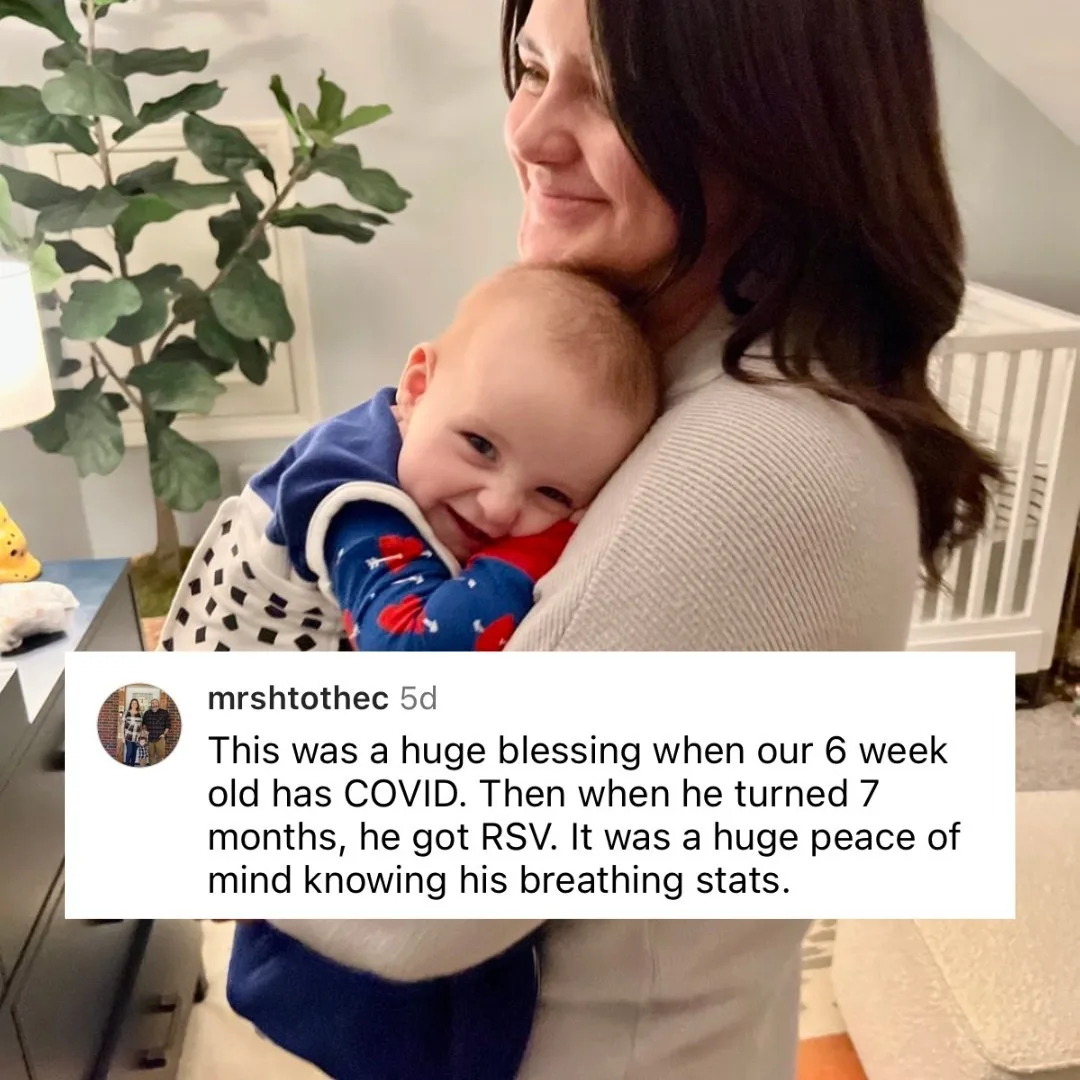
This Nanit UGC ad shows the risk directly. It reproduces an Instagram-style comment: "This was a huge blessing when our 6 week old has COVID. Then when he turned 7 months, he got RSV. It was a huge peace of mind knowing his breathing stats." The "COVID / RSV / breathing stats" language is exactly the health-claim territory that draws scrutiny on baby-monitor ads. It is not a win to clone — it is the sentence that gets a whole ad set paused while a reviewer decides whether you implied a medical outcome.
So expect rejection cycles, keep a compliant variant ready, and regenerate on demand. AdDogs re-renders a swapped, compliant version in seconds at one credit per render, so a copy bank costs cents. See how it clones an ad and injects your brand.
The most memorable family ads rarely convert
Family ads people remember and family ads that sell parents are almost never the same ads. That is the uncomfortable part of every "best family ads" list.
Award-winning, feel-good holiday spots — the John Lewis school of family advertising — win share-of-heart and a spot in the annual roundups. They rarely move a sleep-deprived parent to buy baby gear at 2am. The converters in this post are the boring long-runners: Ergobaby's 1,140-day carrier, Huggies' baby-voice diapers. Nobody is writing think-pieces about a babywearing headline that says "easy," and it has outlasted every campaign that got applause.
Frida Baby is the edge case that proves the rule. Its "real mess of parenthood" register is genuinely memorable — 275,000+ five-star reviews dramatized into creative — and it drew an innuendo backlash in early 2026 that made it more famous and less safe to clone. Memorable is a real asset. It is just not the same asset as a headline a parent acts on.
From example to your own ad in seconds
You do not need to invent a family ad. Clone a proven one and swap in your product and your parent-pain line.
Keep Ergobaby's parent-benefit headline structure, Huggies' baby-POV device, or Lovevery's "Fact:" card system, then pull a Meta Ad Library reference and swap in your product. AdDogs starts from 14,000+ real ad examples, clones the proven layout, and injects your brand palette so the age-match is automatic. Free ($0) and Basic ($12/month) both render three aspect ratios — 1:1, 9:16, 16:9 — while Pro ($33) and Ultimate ($63) unlock all 14, one credit per render in the dimension you pick. Per finished ad, that is $0.40 on Basic, $0.33 on Pro, $0.30 on Ultimate.
Create your family ad, or browse the full kids and family ad-example gallery first and start from the layout closest to yours. Ergobaby's carrier ad has been running for more than 1,140 days. Your version of it is one credit and one render away.
FAQ
What are the best family ad examples?
Strong current family ads sell to the parent while performing because of the child. Captured from the Meta Ad Library, Ergobaby leads with a parent-benefit headline ("Easy for Mom, Cosy for Baby"), Huggies writes diaper ads in the baby's own voice, Lovevery mostly runs developmental-education cards instead of product shots, and Nanit reframes baby-monitoring as parenting confidence. The pattern: a child's face is the emotional hook, parent-pain copy is the cognitive hook.
How to advertise to families?
Segment by parenting stage first. A pregnancy audience, a newborn audience, and a toddler audience each Google different problems, so the ad that converts a new parent won't move a toddler parent. Sell to the parent as the buyer while using the child as the emotional trigger, lead with a specific pain (sleep, feeding, safety) over a feature list, and match the visual palette to the child's stage. Then match the aspect ratio to the placement.
What ad format converts hardest for baby and family products?
Portrait video and 4:5 static carry this category, because parent-and-child moments read best vertically and stop the scroll faster than a product still. Meta dominates, Pinterest spikes during the registry phase, and TikTok is growing with millennial parents. Match the ratio to the placement — AdDogs renders the same ad across 14 aspect ratios, one render per dimension, so a winning ad ships to every feed.
Can you make a family or kids' ad for free?
Free template makers like Canva let you lay out an ad from a blank template, but the ad is still yours to design from scratch. AdDogs starts from 14,000+ real ad examples, clones a proven layout, and injects your brand. Basic ($12/month) covers three aspect ratios (1:1, 9:16, 16:9) — Pro ($33) and Ultimate ($63) unlock all 14 aspect-ratio options, one credit per render in the dimension you pick. The difference is starting from what already converts instead of a blank canvas.
Which family brands dominate paid ad spend?
Ergobaby, Huggies, Lovevery, KiwiCo, and Nanit are recognizable leaders across babywearing, diapers, developmental toys, and baby tech, and the AdDogs gallery samples real DTC creative from brands like Once Upon a Farm and ABCmouse. Studying their real ads — not TV nostalgia spots — shows the current playbook for selling to parents.
How do you handle Meta's ad-review strictness on baby and kids products?
Meta's rule that trips baby/kids creative is negative self-perception: ads "must not imply or attempt to generate negative self-perception." Avoid the named banned executions — side-by-side before/after transformations and pinch/zoom-on-a-flaw shots — and never write second-person health copy ("does your baby have X?"), which implies a personal attribute and gets rejected; reframe to a neutral product statement. For teens, only age and location are usable targeting. Expect rejection cycles and keep a compliant variant ready. For how other compliance-heavy categories clear ad review, see our supplement ad examples breakdown.
What's the difference between a family ad and a toy ad?
Whether you search family ads or, in the UK, family adverts, a family ad sells any product a parent buys for the household — baby gear, developmental toys, kids' food, family CPG — and speaks to the parent as the buyer. A toy ad is the narrower play-and-gift slice of that, and it spikes hard in December while baby demand stays flat all year. Both live in the same place to study: the kids and family ad-example gallery holds hundreds of real, clonable examples across babywearing, diapers, developmental toys, and baby tech.