Supplement ad examples: the regulated-category playbook


Most supplement ad examples you'll find online have one thing in common: they'd get your ad account banned. Pretty layout, killer hook, and a before/after photo or a "cures your gut" claim that trips Meta's filter before a single person sees it.
This post does the other thing. We pulled 16 real supplement ads that actually ran — from AG1, Vital Proteins, Huel, Bloom, LMNT, Soylent, and more — and broke down two things for each: the layout you can clone, and the compliance landmine it quietly sidesteps. Then we hand you the playbook: the FTC and FDA rules in plain English, a "supports vs cures" swap table, the exact FDA disclaimer to copy, and how Meta, Google, and TikTok each police supplement ads differently.
Why bother with the compliance half? Because supplements are a regulated category, and the cost-per-click on supplement keywords runs into the double digits — among the most expensive in any vertical. A disapproved ad isn't a minor setback. It's a burned budget, and on a repeat offense, a dead ad account. Clone the layout, not the liability.
Compliant product-hero ads
The cleanest supplement ads sell the product, not a medical outcome. Hero shot, brand, one benefit line — nothing for a moderator to flag.
1. AG1 — the structure-function asterisk, done right
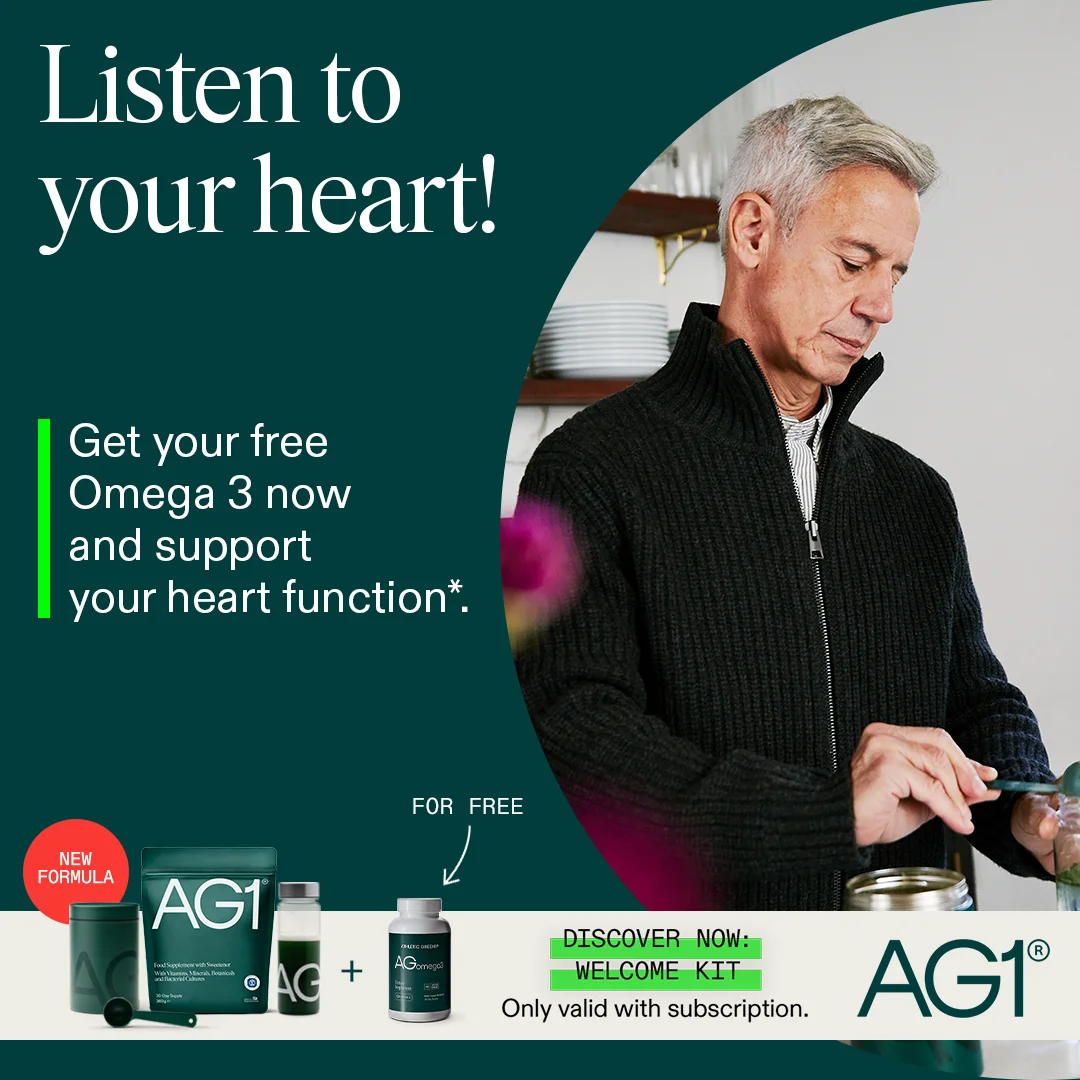
Deep green background, a calm lifestyle shot, and a product bundle anchored along the bottom. The headline reads "Listen to your heart," and the body promises you'll "support your heart function" — with a small asterisk.
That asterisk is the whole lesson. "Support your heart function" is a structure/function claim — a category the FDA permits for supplements when the claim is truthful and substantiated. "Treats heart disease" would be a disease claim, which only an approved drug can make. AG1 reached for the verb that can clear review instead of the one that can't, and the asterisk points to the FDA disclaimer that accompanies a structure/function claim. Copy the structure: lifestyle image, one product line, a "supports" verb, the asterisk.
2. Vital Proteins — let the product carry the frame
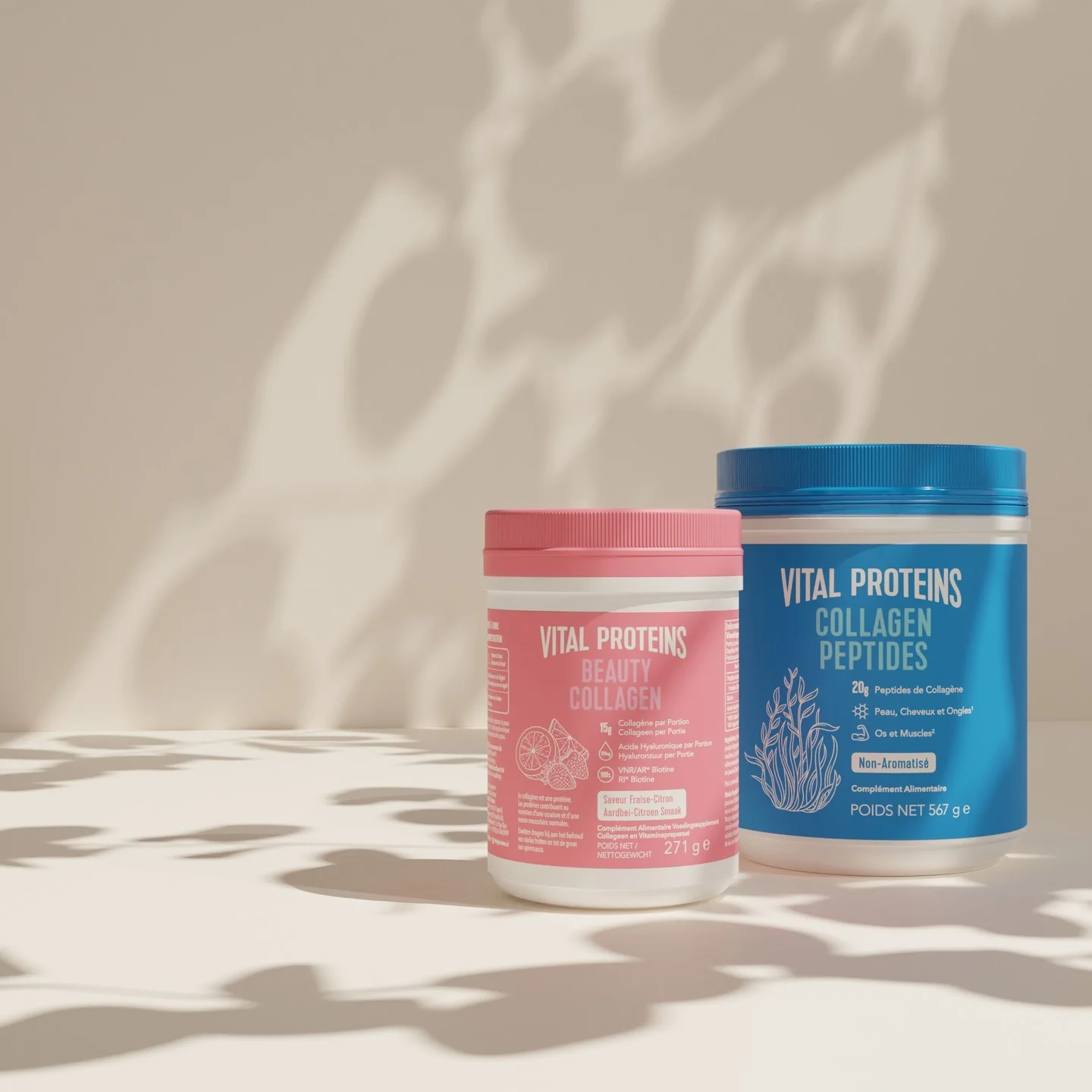
Two collagen tubs on a warm neutral surface, dappled light from an off-camera plant, nothing else. No headline, no claim, no copy to police. The packaging does the talking, and the brand reads as premium because it isn't shouting.
This is the safest supplement creative there is: when an ad makes no health claim, there's no health claim to substantiate. Vital Proteins leans on aesthetic and brand recognition instead. For a new supplement brand, a clean hero shot is the fastest ad to get approved while you figure out which claims you can back up.
3. Curology — bold type, prescription product, zero overclaim
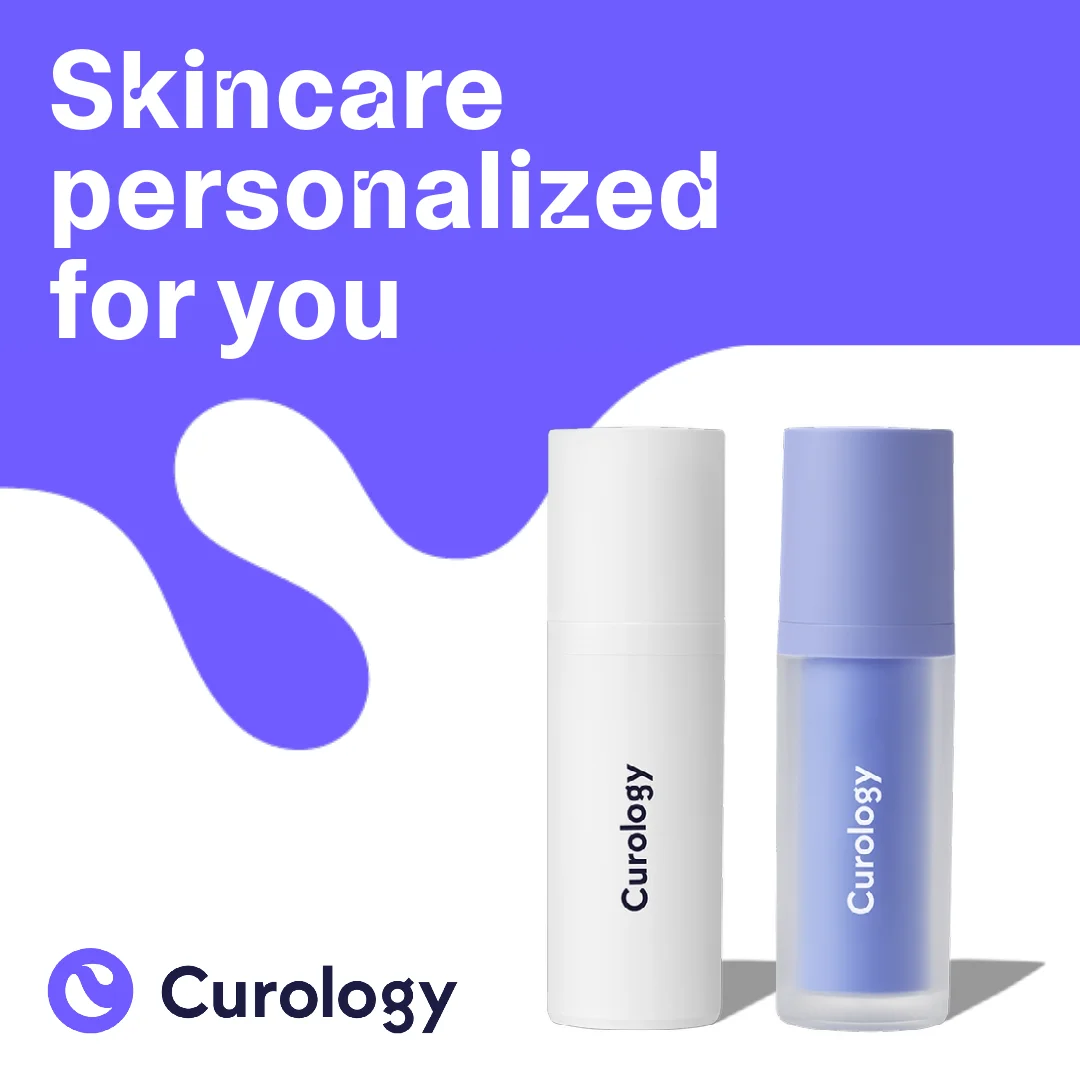
Electric purple field, oversized "Skincare personalized for you," two minimalist bottles, a fluid brand shape tying it together. Curology is prescription skincare — even more regulated than a supplement — yet the ad makes no efficacy promise at all. It sells personalization, not a result.
That restraint is the move. In a regulated category, the headline that converts is often the one that describes the experience ("personalized for you") rather than the outcome ("clears your acne"). Big type plus a clean product pair is a layout that works for any health brand, prescription or not.
Ingredient-forward and education ads
Meta's algorithm — and its review team — tend to favor ads that teach. Ingredient callouts and nutrition facts read as informational, not as a health promise.
4. Vital Proteins — icons instead of adjectives
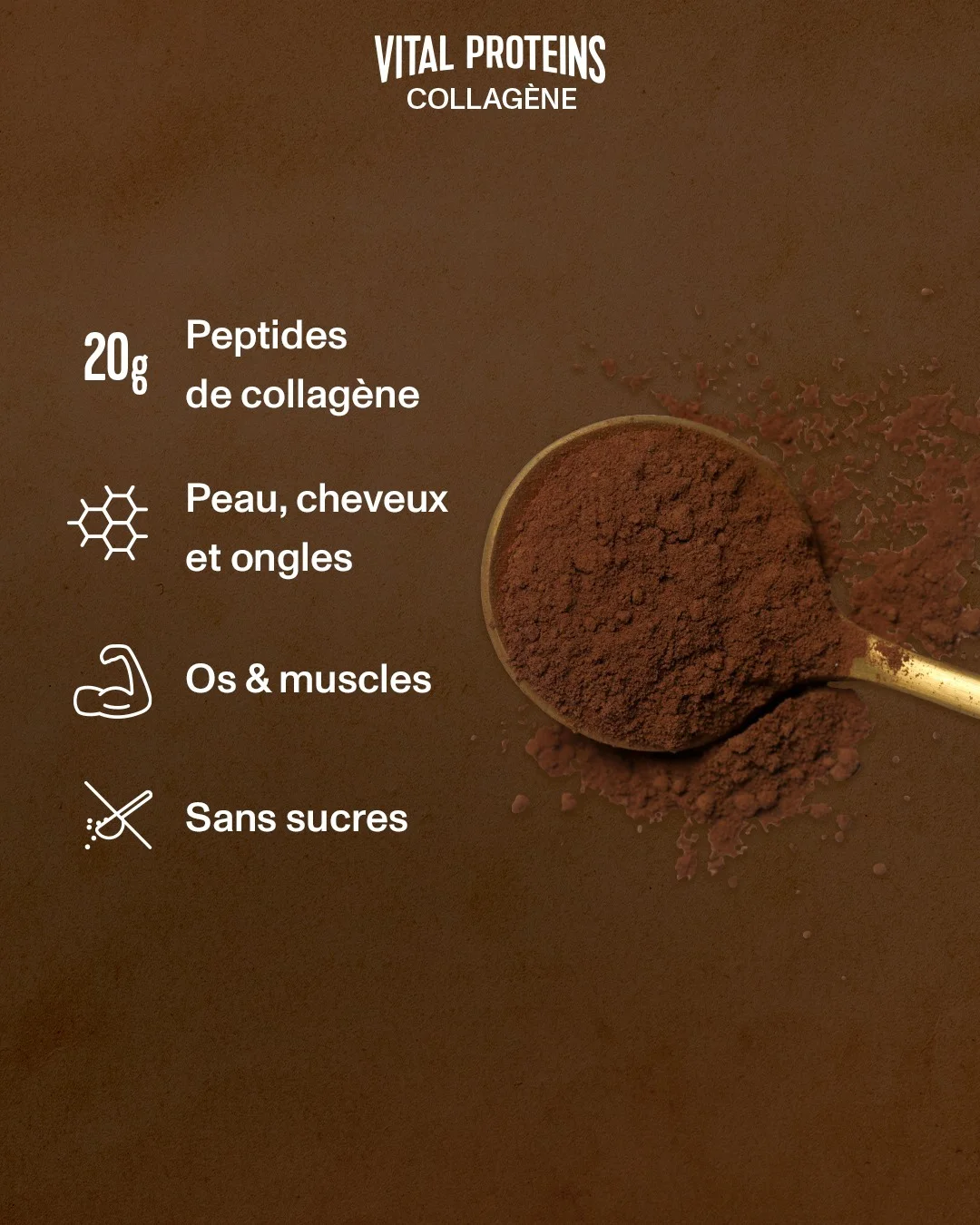
A scoop of collagen against a rich brown backdrop, four icons stacked down the left: 20g of peptides, skin/hair/nails, bones and muscles, no sugar. Each icon pairs a fact with a body-structure benefit. No outcome is promised, no timeline, no "results."
Icon grids are a compliance cheat code. They let you communicate benefits as discrete, factual callouts — "20g protein," "skin, hair, nails" — which read closer to a label than to a claim. Clone the layout, swap your product into the center, and list your own verified facts down the side.
5. LMNT — make the clean label the headline
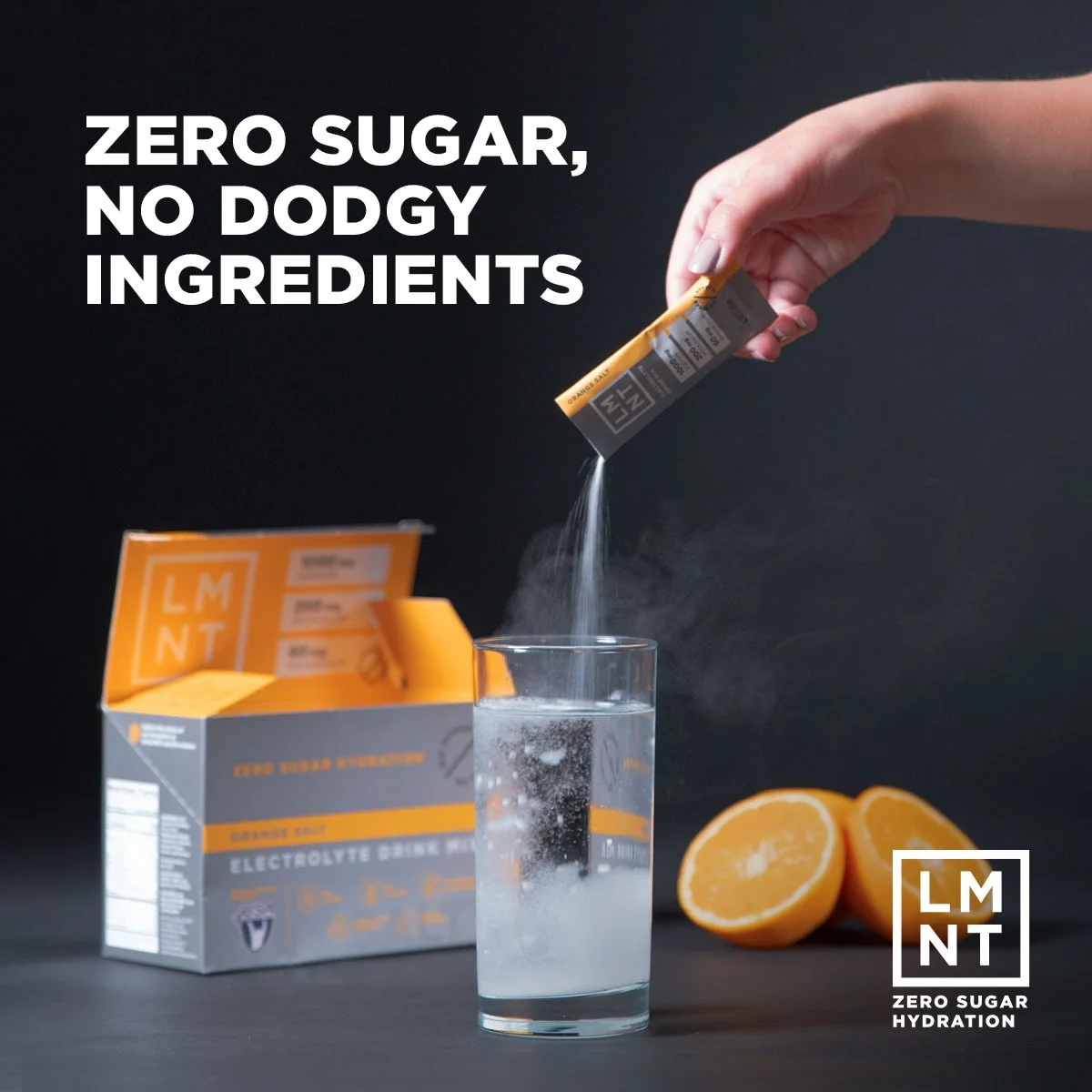
A stick pack pouring into a glass, dramatic dark lighting, oranges for flavor cue, and the line "Zero sugar, no dodgy ingredients." LMNT attacks what's not in the product instead of promising what it'll do to your body.
A negative-ingredient claim — no sugar, no artificial colors, no fillers — is far easier to substantiate than a health outcome, because it's a fact about the formula, not a prediction about the customer. For supplements drowning in "miracle" competitors, "no dodgy ingredients" is both a differentiator and a low-risk claim.
6. Soylent — nutrition facts as the creative
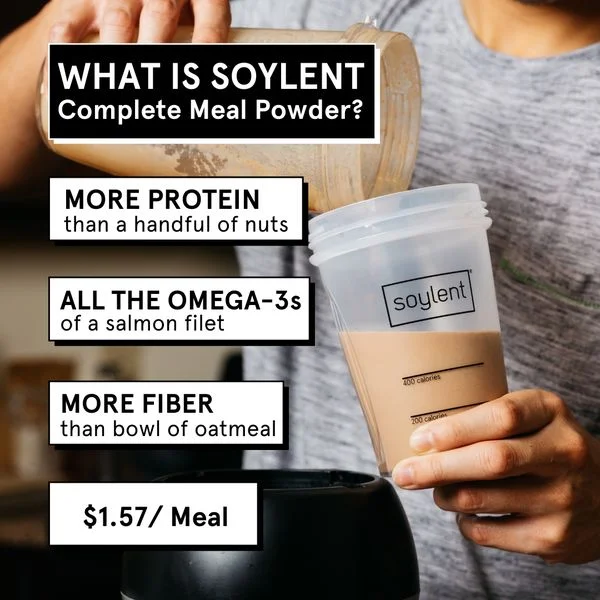
"What is Soylent Complete Meal Powder?" answered in four stacked facts: more protein than a handful of nuts, all the omega-3s of a salmon filet, more fiber than a bowl of oatmeal, $1.57 a meal. Each line benchmarks the product against a familiar food.
Comparing your nutrition to a recognizable food is a clean way to make a strong impression without a health claim — "more protein than four eggs" is a verifiable fact, not "builds muscle fast." Soylent keeps the comparison concrete and the price visible. The layout drops any product into a four-fact stack.
7. Bloom Nutrition — the benefit checklist
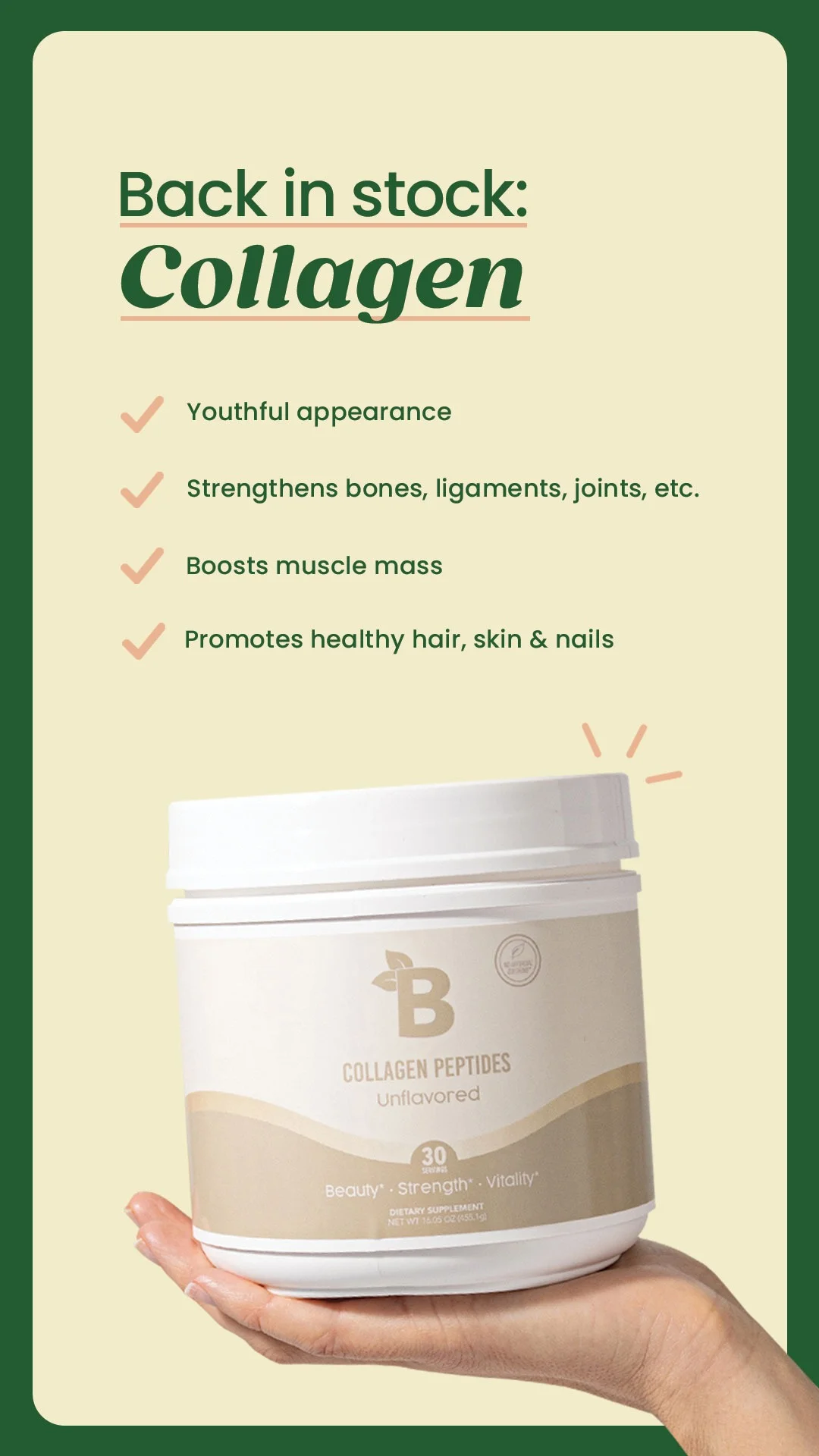
Soft yellow background, "Back in stock: Collagen," and four checkmarks: youthful appearance, strengthens bones and joints, boosts muscle mass, promotes healthy hair, skin and nails. The product is cradled in a hand below.
The checklist is one of the highest-converting supplement layouts — and a compliance trap if you're careless. Bloom's items lean on structure/function verbs ("strengthens," "promotes," "supports") rather than disease language, and the label itself carries the asterisks. If you clone this layout, write your bullets the same way: structure and function, never "treats" or "cures."
Social proof and UGC that stays clean
Reviews and creator content convert hard in supplements because trust is the whole game. The risk is that a testimonial can carry a claim you'd never make yourself.
8. AG1 — lead with the review count, not a result
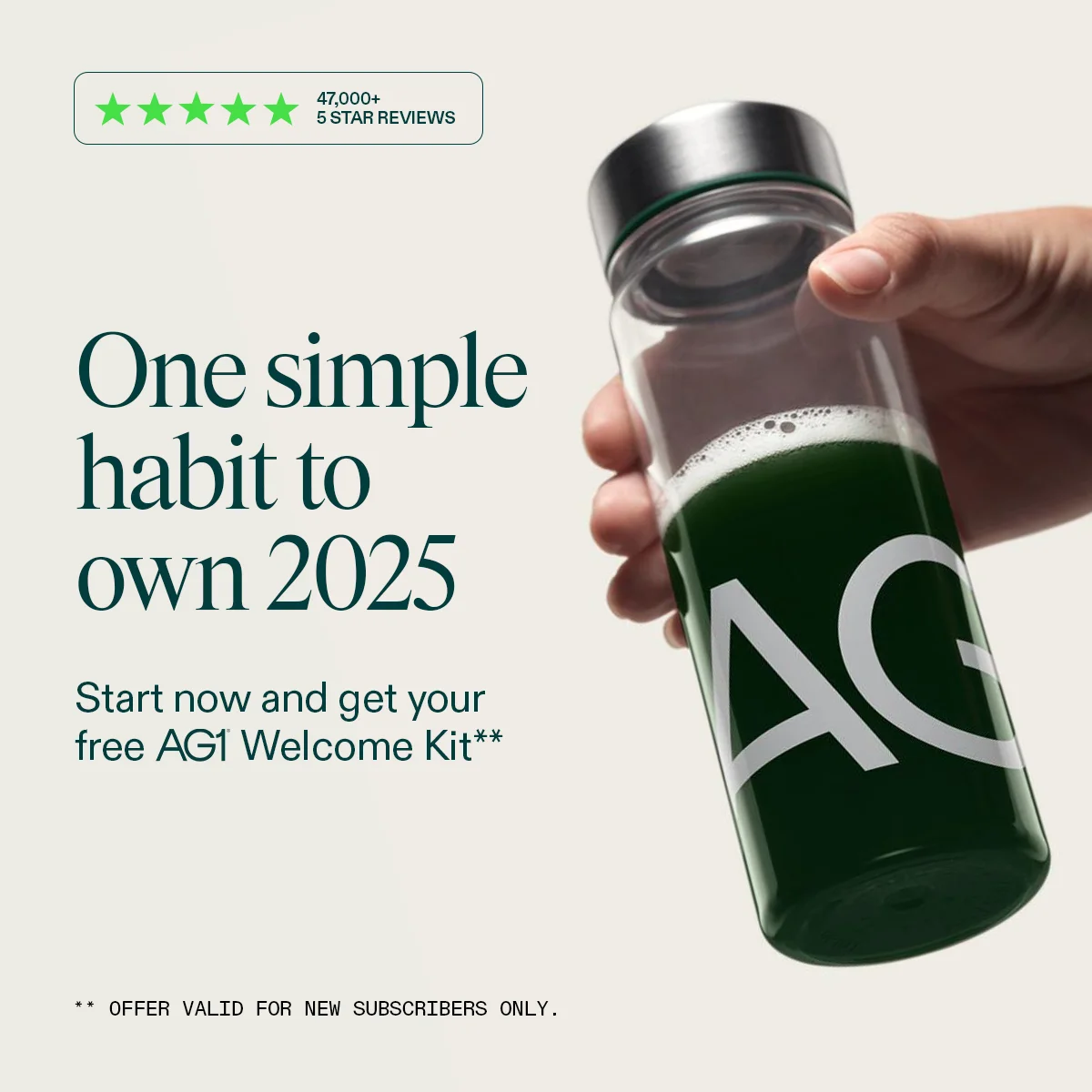
A hand holding the signature green drink, "One simple habit to own 2025," and a badge: 47,000+ 5-star reviews. The proof is the volume of reviews, not a specific claim about what any one person experienced.
A review-count badge is social proof without testimonial risk — you're stating how many people bought and rated, a verifiable fact, rather than quoting an individual result you'd then have to substantiate. Keep the number honest and current, and this badge slots onto almost any supplement hero shot.
9. Bloom Nutrition — native UGC that looks like a story
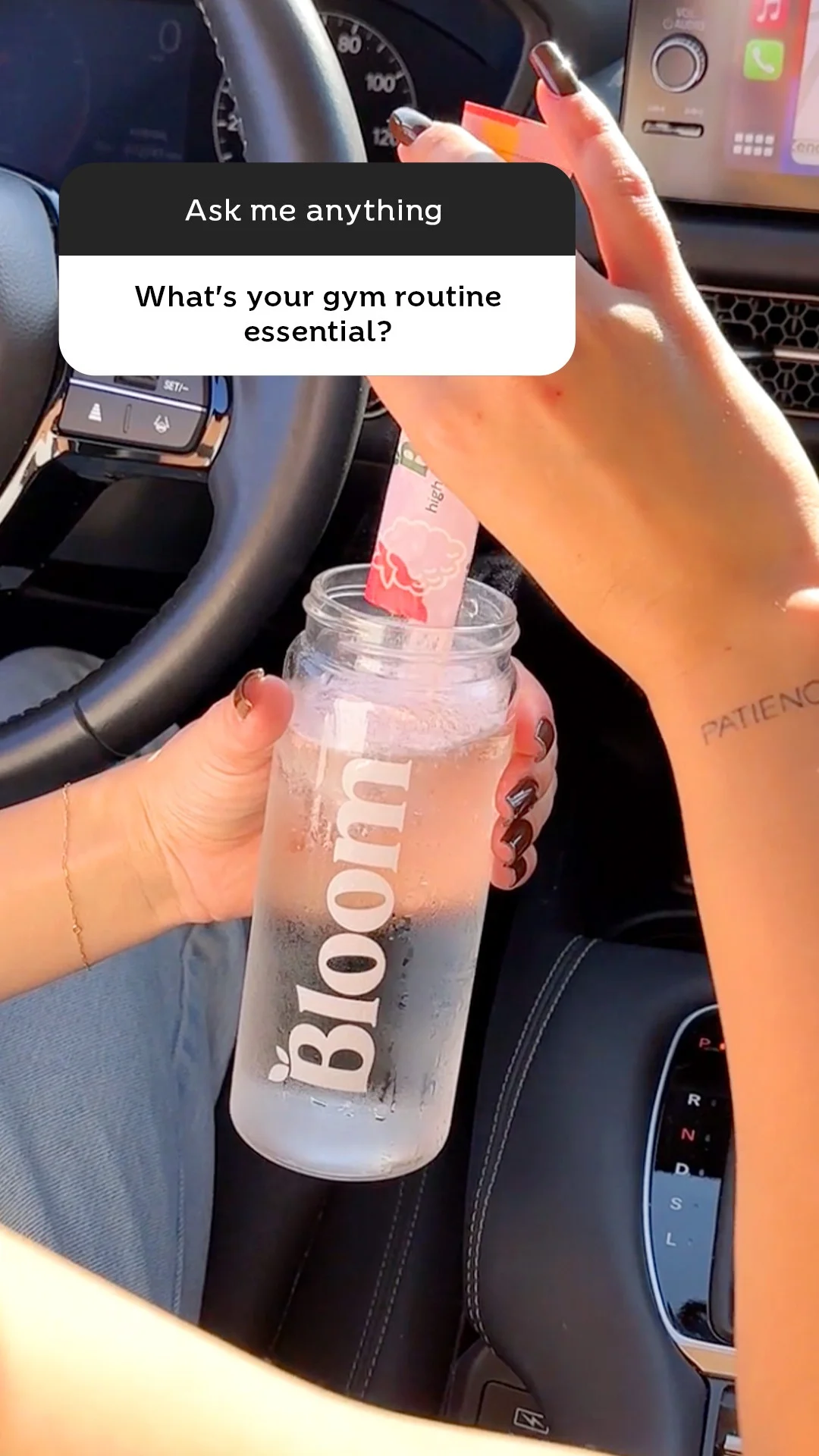
A phone-shot clip styled as an Instagram "Ask me anything" sticker — "What's your gym routine essential?" — with a frosty Bloom bottle in hand. It reads like a friend's story, not an ad, which is exactly why it stops the scroll.
UGC-style creative is the dominant supplement format on Meta and TikTok because it earns trust the polished studio shot can't. The compliance catch: an unscripted creator can still drift into a banned claim. Keep the on-screen text to lifestyle and routine, disclose the partnership, and the format works without the risk.
10. hims — UGC at the strict end of the spectrum
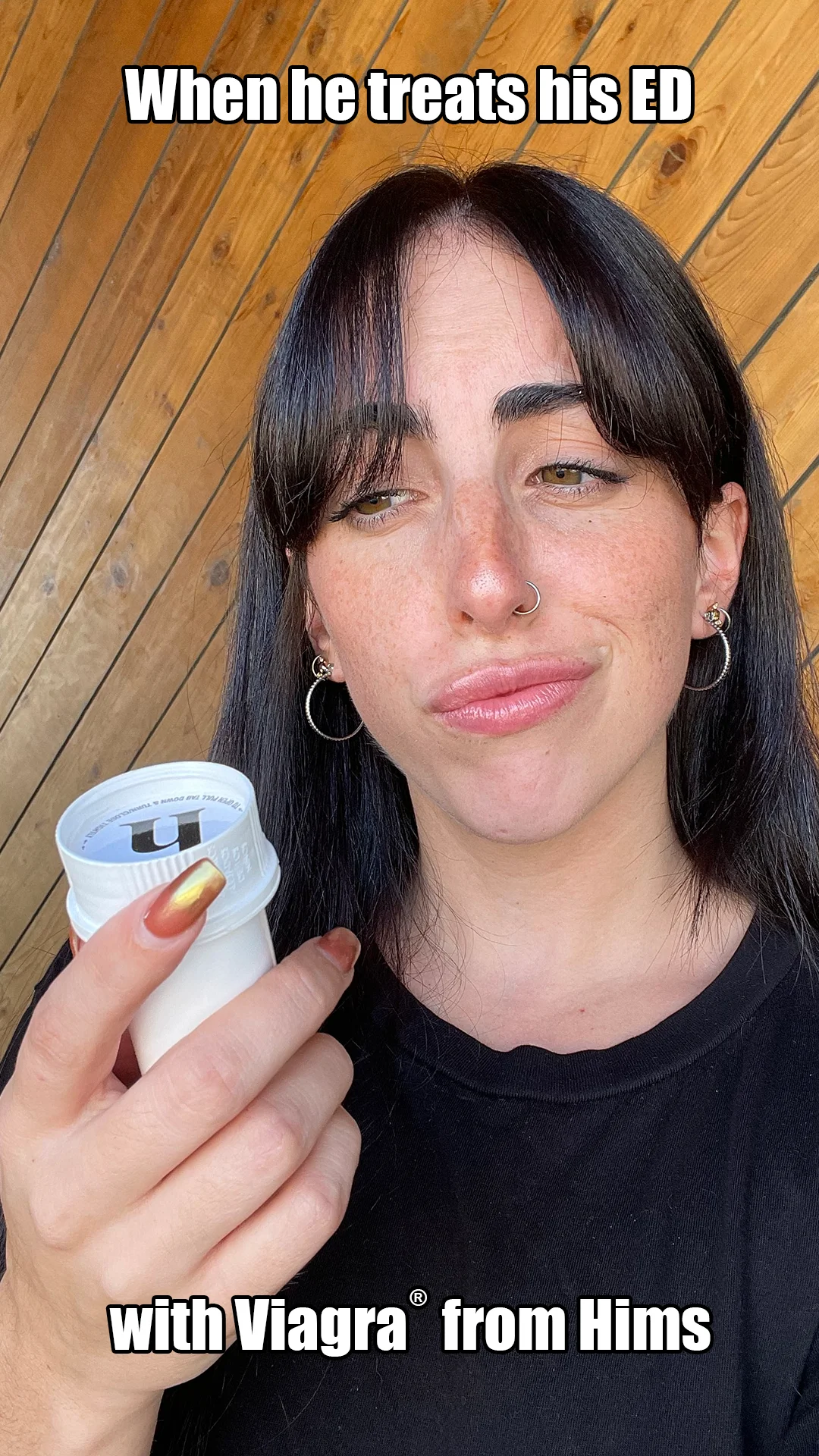
A creator selfie with the deadpan caption "When he treats his ED with Viagra® from hims." This is the aggressive edge of regulated advertising — a named prescription drug in casual UGC, registered trademark and all.
hims gets away with this as a licensed telehealth provider naming a medication it actually prescribes — not a supplement implying drug-like effects. The line for your supplement is bright: never imply your product works "as effectively as" a prescription drug. That comparison is banned on Google and a fast track to an FTC complaint.
Performance and comparison ads
Meal-replacement and performance brands win with side-by-side comparisons. Done with price and nutrition — not body transformation — they're both persuasive and safe.
11. Huel — the versus table
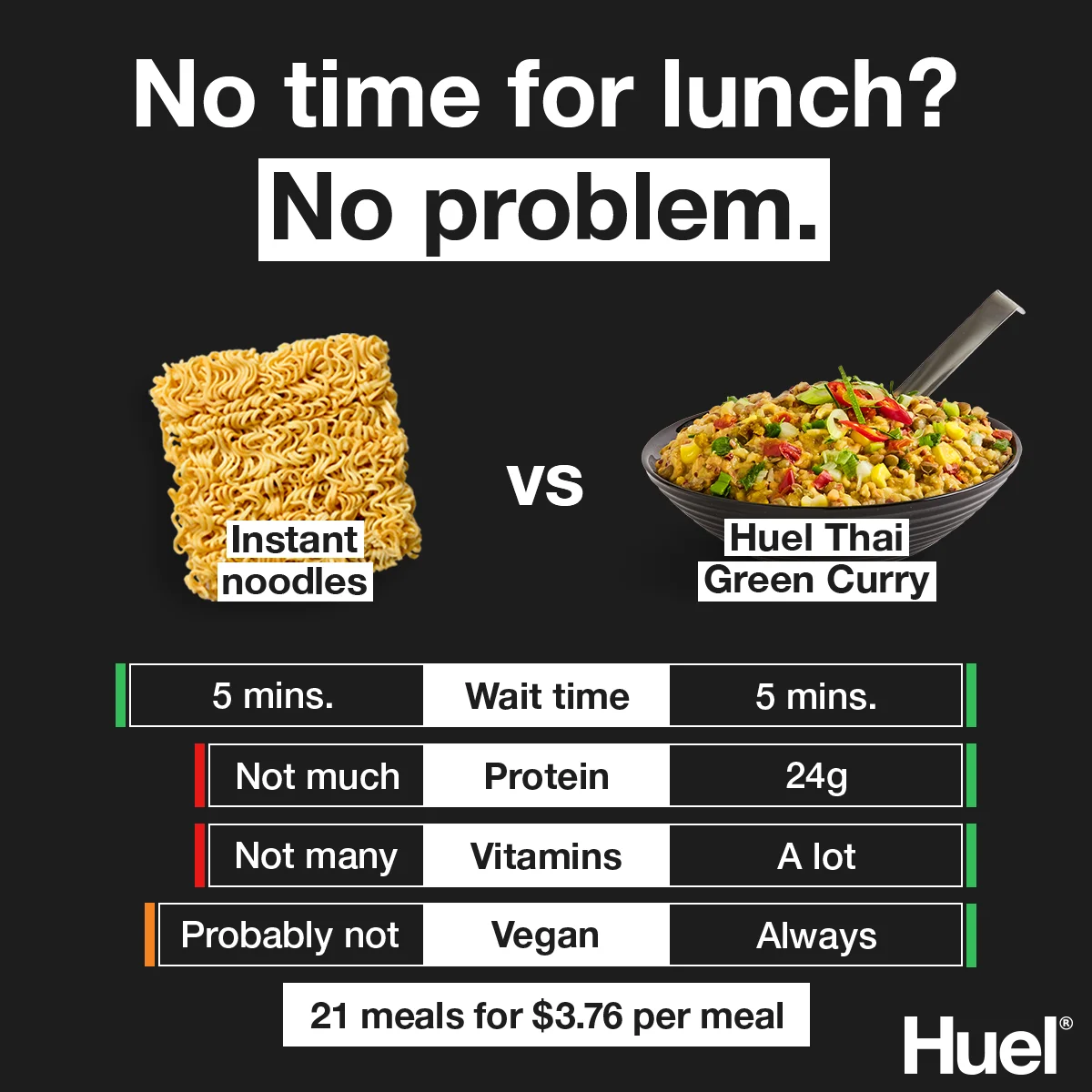
"No time for lunch? No problem." Instant noodles on the left, Huel Thai Green Curry on the right, and a four-row table: wait time, protein, vitamins, vegan — capped with "21 meals for $3.76 per meal." Green and red bars score each row at a glance.
The versus table is screenshot bait and an AI-overview magnet because it's scannable and concrete. Huel compares product attributes — protein, price, prep time — not before-and-after bodies. That keeps it clear of Meta's body-image rules while still landing the punch.
12. Huel — same layout, price as the hook
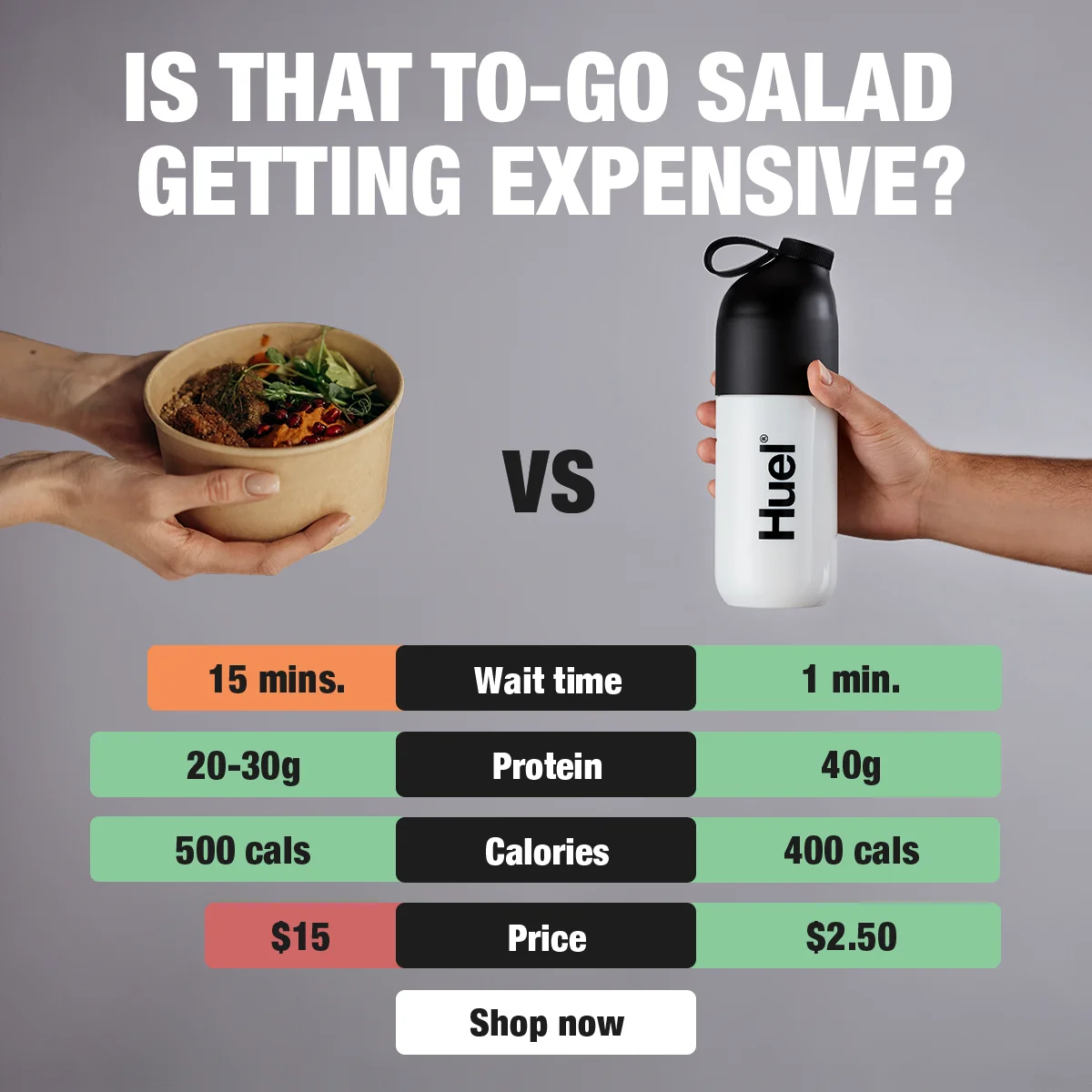
A near-identical structure pointed at cost: a $15 to-go salad versus a $2.50 Huel, with wait time, protein, and calories stacked between them and a "Shop now" button. One layout, a different angle — proof that a winning structure is worth cloning more than once.
When a comparison frame works, run it against every objection your customer has: too expensive, too slow, too little protein. The structure stays; only the contrast changes. That's exactly the kind of fast variation a clone-and-swap workflow is built for.
13. Soylent — the split-screen swap
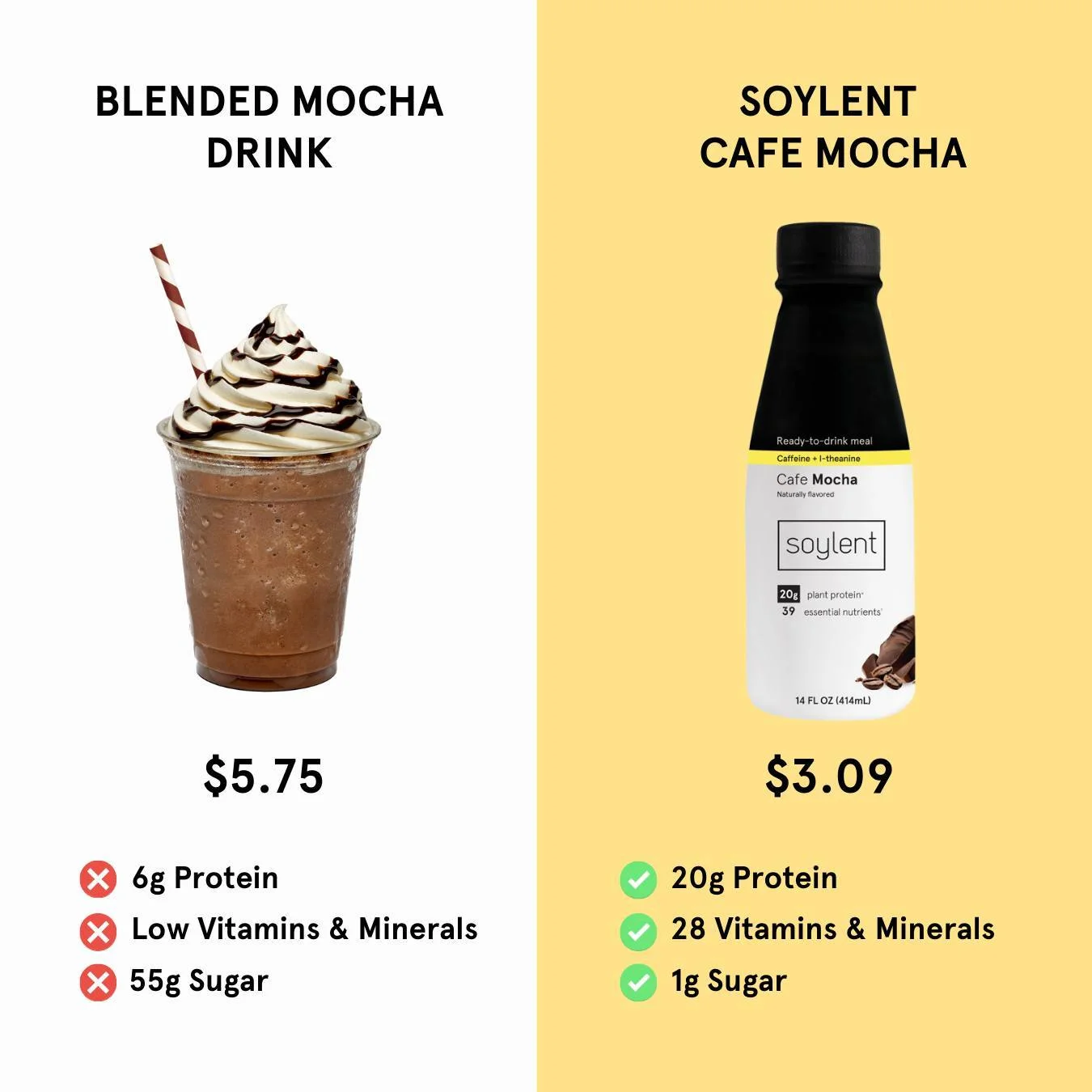
A blended mocha drink ($5.75, red X's on protein, vitamins, sugar) against a Soylent Cafe Mocha ($3.09, green checks across the board). The vertical split and the checkmark-versus-X system make the verdict obvious in under a second.
Split-screen with a check/X scorecard is one of the most clonable layouts in the category. Every claim here is a measurable product fact — grams of protein, grams of sugar, price — so there's nothing for a regulator to argue with. Keep your columns factual and the comparison fair.
Offer and bundle ads
Supplements live and die on subscription. The offer ad — bundle value, free gift, free trial — drives the replenishment model. The compliance work here is about disclosing the catch.
14. AG1 — the value stack
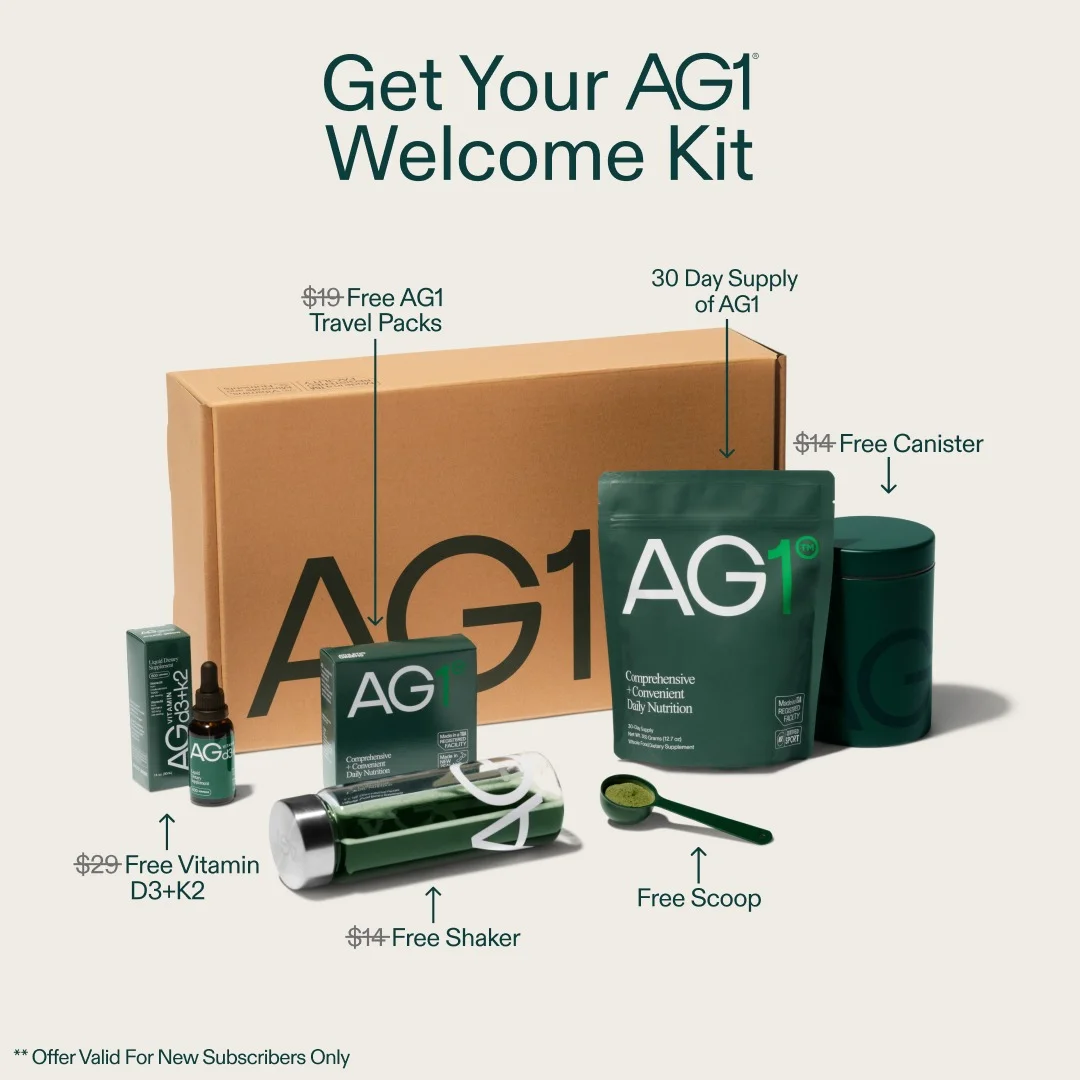
"Get Your AG1 Welcome Kit," a shipping box surrounded by everything you get — travel packs, shaker, canister, vitamin D3, scoop — each tagged with a struck-through price ($19, $14, $29, $14) to total the freebies. Fine print: "Offer valid for new subscribers only."
The struck-through value stack makes a subscription feel like a haul instead of a commitment. The compliance detail is the small line disclosing the terms — "new subscribers only." If your offer has conditions, state them in the creative. Burying material terms is exactly what got telehealth marketer NextMed fined $150,000 by the FTC in 2025.
15. Nuun — the gift with purchase
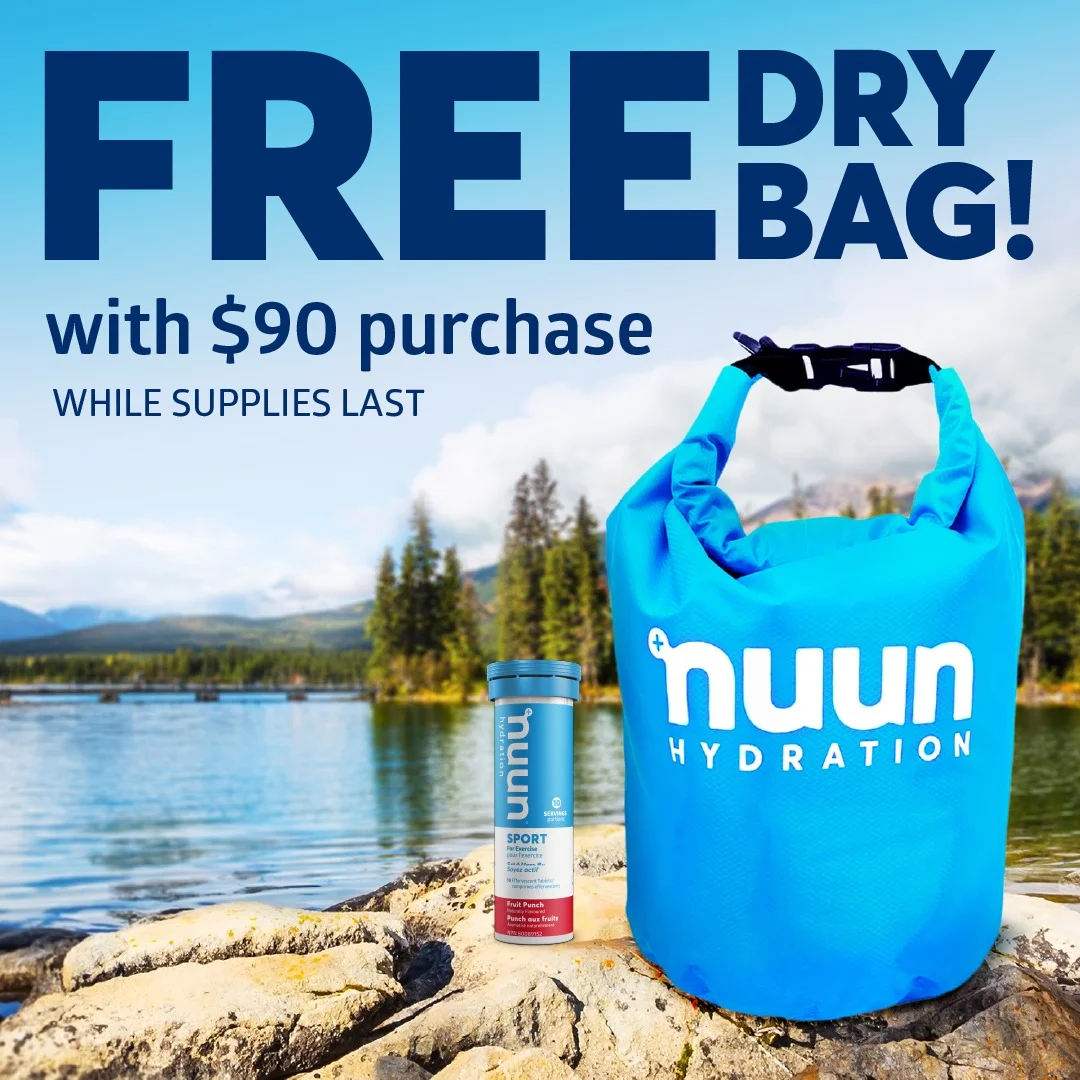
A lakeside scene, a Nuun tube beside a branded dry bag, and a clean offer: free dry bag with $90 purchase, while supplies last. No health claim anywhere — the hook is entirely the deal and the lifestyle.
A gift-with-purchase ad sidesteps the regulated-claims problem completely by making the offer the message. For a hydration or electrolyte brand, an outdoorsy GWP both raises average order value and stays miles away from anything a moderator would flag. The threshold ("$90") and the limit ("while supplies last") are the disclosures that matter.
16. Curology — the free trial, with the catch disclosed
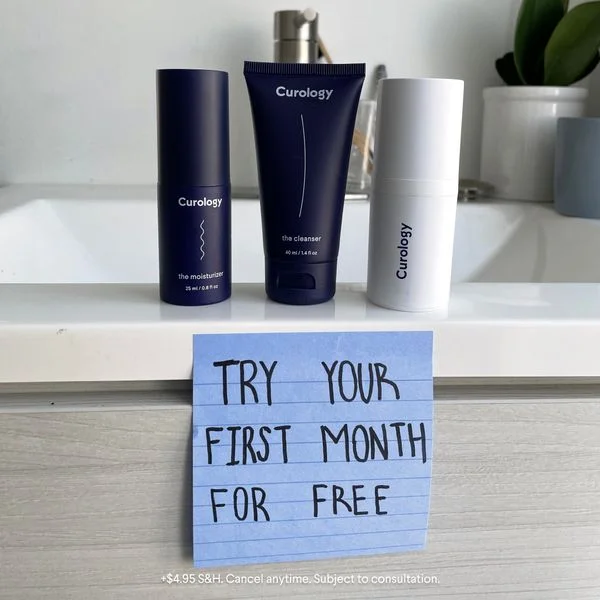
A handwritten sticky note — "Try your first month for free" — propped against the product trio on a bathroom shelf. Underneath, in fine print: "+$4.95 S&H. Cancel anytime. Subject to consultation."
That fine print is the entire compliance lesson for offer ads. A "free" trial that has a shipping charge and an auto-renew has to say so in the creative. The FTC's updated guidance treats inadequately disclosed material terms as deceptive. Curology gives the free-trial hook its full conversion power and discloses the catch in the same frame. Copy the hook and the fine print together.

Create your own supplements product ads
Create your ad
The supplement ad compliance playbook
Now the rules behind every annotation above. Supplement ads answer to two federal agencies and three ad platforms — and a claim can be perfectly legal and still get rejected. (This is a practical summary, not legal advice; when real money is on the line, run your claims past a regulatory attorney.)
Who regulates what
- The FDA governs the product and its label under DSHEA. It draws the line between legal structure/function claims and illegal disease claims.
- The FTC governs the advertising. Every claim in your ad must be truthful and backed by "competent and reliable scientific evidence" — for a health claim, that means real human clinical evidence, not a single cherry-picked study.
- Meta, Google, and TikTok layer their own, often stricter, policies on top. Passing the FTC bar doesn't guarantee the platform approves your ad.
One rule the FTC made explicit in its 2022 guidance: an implied claim carries the same burden as an express one. A before/after photo, a white-coat model, or the word "detox" makes a claim just as surely as a sentence does — and you have to be able to prove it.
Structure/function vs disease: the swap table
The single most useful skill in supplement advertising is rewriting a disease claim as a structure/function claim. The left column gets you rejected or sued. The right column is what compliant brands actually run.
| Don't say (disease claim) | Say instead (structure/function claim) |
|---|---|
| Lowers your blood pressure | Supports healthy blood pressure already in the normal range |
| Treats anxiety | Helps promote a sense of calm and relaxation |
| Cures joint pain | Supports joint comfort and flexibility |
| Prevents colds and flu | Supports a healthy immune system |
| Burns fat / melts fat | Supports your metabolism as part of a healthy lifestyle |
| Fixes your gut / heals leaky gut | Promotes digestive health |
| Reverses aging | Supports skin elasticity and a youthful appearance |
The pattern: swap a medical verb (treats, cures, prevents, heals) for a maintenance verb (supports, helps maintain, promotes), and describe a normal body function rather than a disease.
The FDA disclaimer you have to include
Any structure/function claim on your product label has to carry this exact disclaimer, prominently displayed (21 C.F.R. § 101.93) — and the FTC expects an ad that leans on that claim not to drop it:
This statement has not been evaluated by the Food and Drug Administration. This product is not intended to diagnose, treat, cure, or prevent any disease.
That's the asterisk on the AG1 ad. Carry it through to the creative word for word. And never write "FDA approved" — the FDA does not approve dietary supplements, so claiming it is a false statement. Lean on third-party testing or "made in a cGMP facility" instead.
Claims that get you banned
These are the patterns that draw rejections, account strikes, and FTC complaints:
- Disease claims — treats, cures, prevents, or mitigates any condition.
- "FDA approved" — supplements are never FDA-approved.
- Before/after body transformations — banned by Meta and TikTok for weight loss.
- "Miracle," "guaranteed," "melts fat," "30 lbs in 30 days" — guaranteed-results language is a classic FTC target.
- "Effortless" weight loss "without diet or exercise" — explicitly banned by TikTok.
- "As effective as Ozempic / a prescription drug" — banned across platforms.
- Atypical-results testimonials — and here's the one that catches everyone.
The "results not typical" safe harbor is gone. For decades brands slapped that line on a testimonial and moved on. The FTC removed the safe harbor back in its 2009 Endorsement Guides, and the 2023 refresh (effective July 26, 2023) reaffirmed it. If you show an atypical result, you have to disclose what customers can generally expect — or prove the result is typical. That is the trap in cloning an old, high-performing testimonial ad: you can copy a pattern that stopped being legal years ago. Clone the layout, fix the claim.
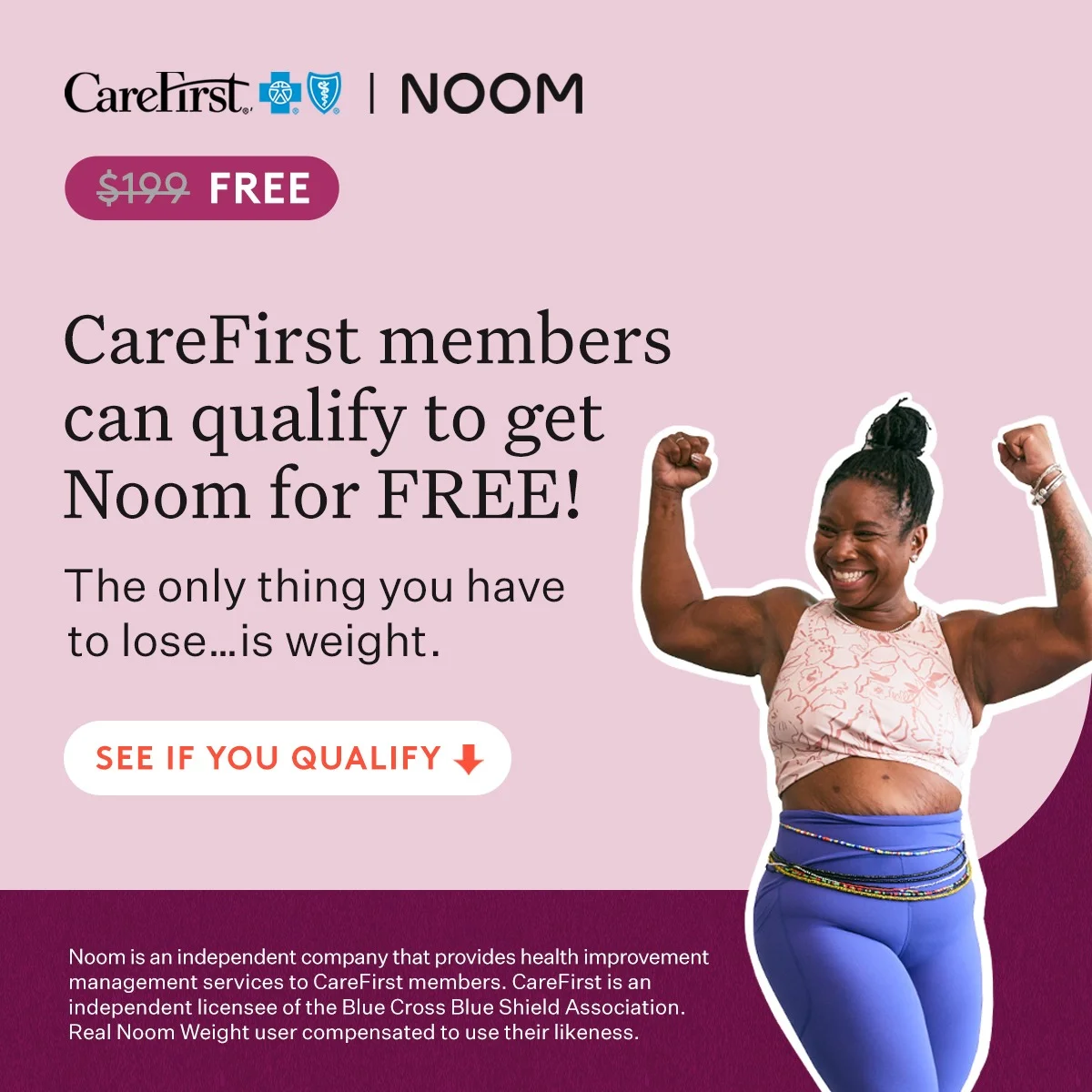
The 2023 refresh also holds brands liable when a creator fails to disclose a paid relationship. That's why the Noom ad below spells out "Real Noom user compensated to use their likeness" — a material-connection disclosure baked straight into the creative.
Platform policies compared: Meta vs Google vs TikTok
Same supplement, three rulebooks. The big platforms differ on health and supplement ads:
| Rule | Meta (FB / Instagram) | Google Ads | TikTok |
|---|---|---|---|
| Disease claims | Banned | Banned | Banned |
| Before/after weight loss | Banned | Claims policed | Banned |
| "Easy / guaranteed" weight loss | Banned (negative self-perception) | Restricted | Banned |
| Personal-attribute targeting ("struggling with X?") | Banned | Restricted | Restricted |
| Banned ingredients | Policy-driven | hCG, ephedra, steroids barred | Weight-mgmt supplements restricted |
| Age gate | 18+ for weight/cosmetic | Per policy | 18+ |
| First-strike enforcement | Account restriction | 7-day warning (egregious: immediate) | Removal + region lock |
Sources: Meta Health & Wellness ad standard, Google healthcare and medicines policy, TikTok weight management policy.
A few things that surprise people:
- Health is not one of Meta's Special Ad Categories (those are credit, employment, housing, and social issues). But it's one of the most restricted verticals on the platform — policed through the health-and-wellness rules and personal-attribute targeting limits instead. Don't assume "not a Special Ad Category" means "lightly regulated."
- Google gives a warning; Meta and TikTok often don't. Google's healthcare policy typically issues a 7-day notice before suspension for many violations — though egregious ones get suspended on detection, no warning. Meta can restrict an account on the spot.
- Can you advertise supplements on Facebook at all? Yes. Running supplement ads on Facebook is allowed; it's the claims and imagery that get restricted, not supplements themselves. Weight-loss and "before/after" creative is where most rejections happen.
High-risk categories: weight loss and before/after
Weight-loss supplements are the most-policed corner of the category — and demand is rising fast, with searches for "weight loss supplement ads" up sharply year over year. The format that converts best, the before/after, is exactly the one Meta and TikTok ban for weight products. Meta also prohibits fat-pinching close-ups, body-shaming, and anything implying a "perfect body."
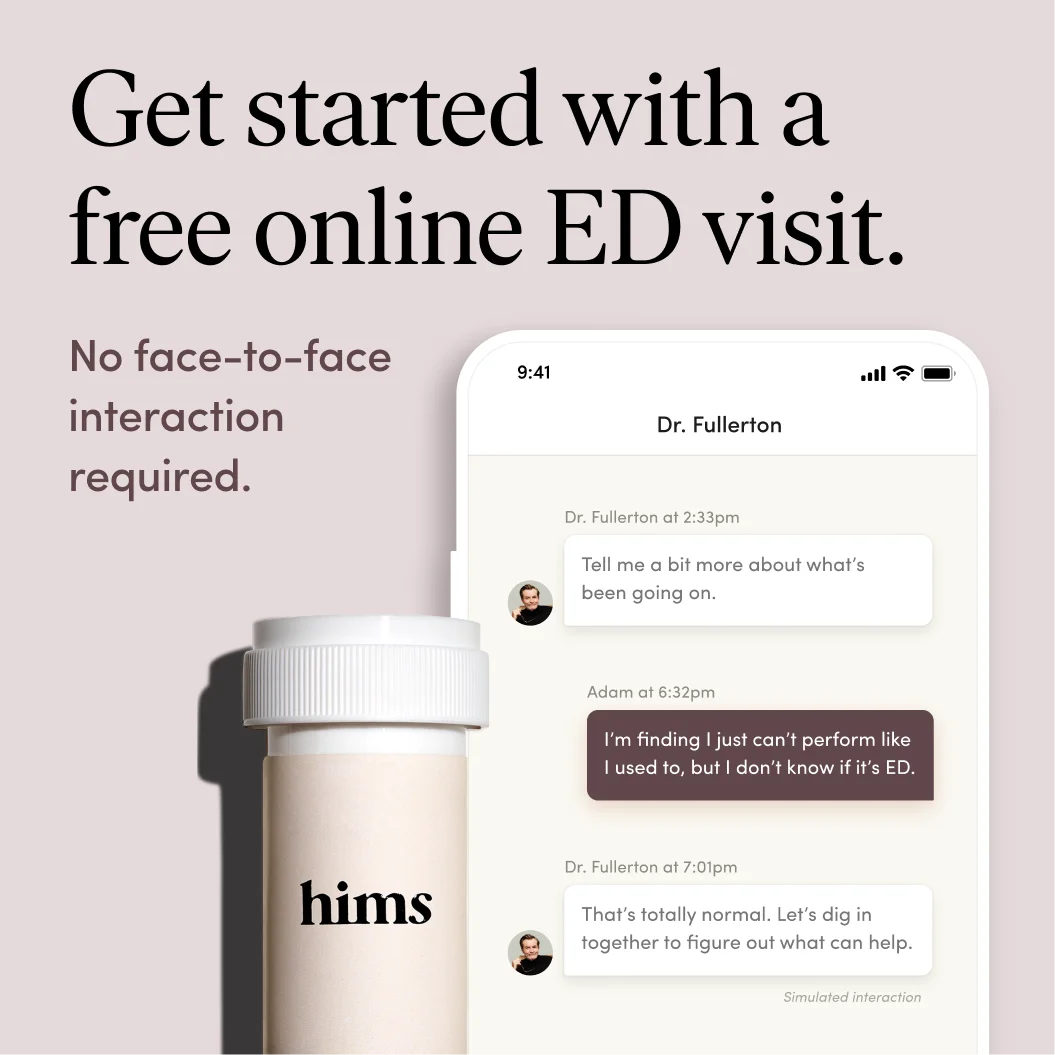
The look at the telehealth end of the spectrum shows the compliant alternative. hims sells a "free online ED visit" and even labels its chat mockup "Simulated interaction" — selling access to care, never promising a drug result.
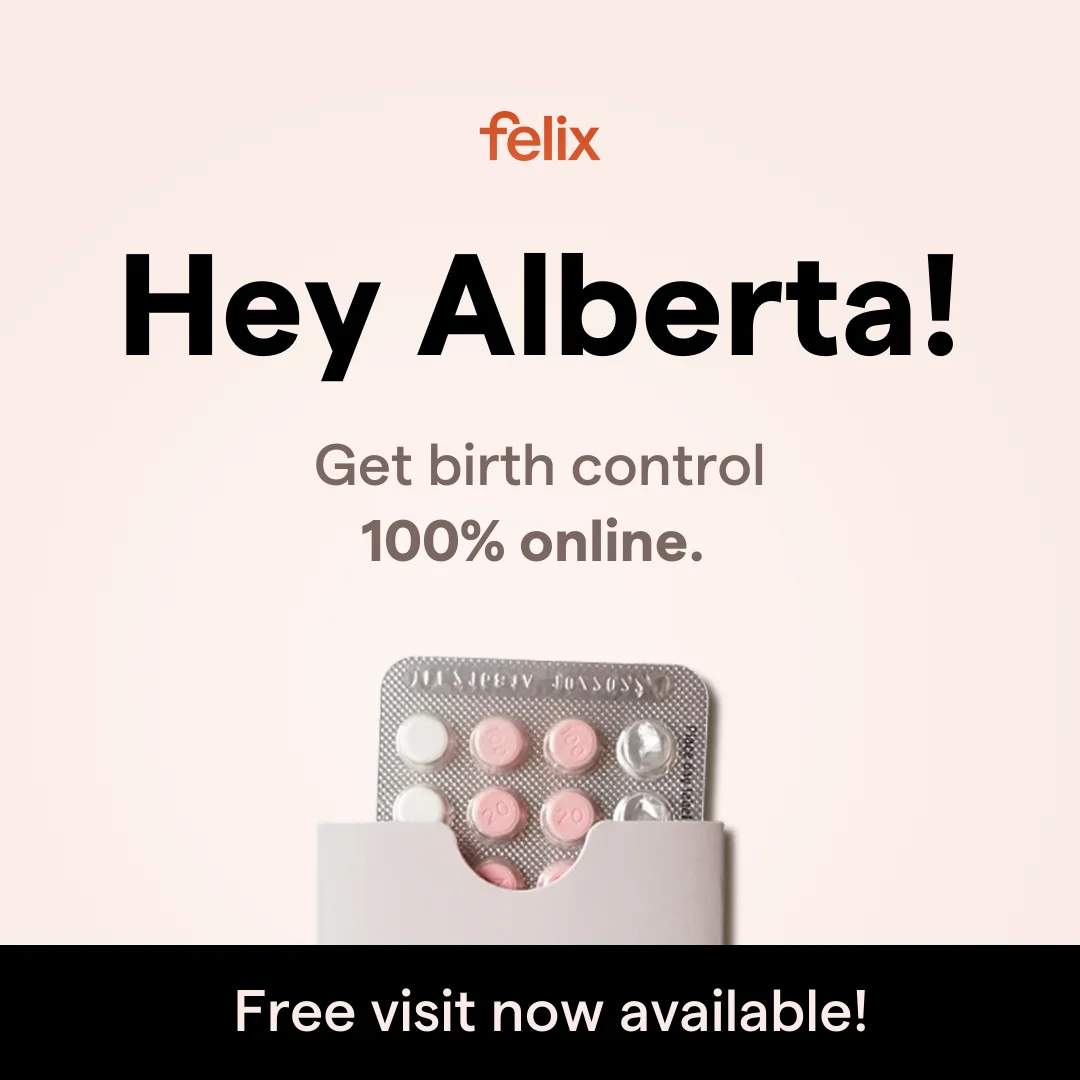
And when a brand has to advertise a genuinely restricted product, it gates hard: Felix runs birth-control ads targeted to a single region ("Hey Alberta") rather than blasting a regulated medical product everywhere at once.
The compliant weight-loss play: show the product and the lifestyle, use structure/function language, disclose any testimonial's typical results, and age-gate to 18+. Sell the routine, not the shrinking waistline.
Create compliant supplement ads with AdDogs
"Clone what works" matters more in a regulated category than anywhere else. Supplement ads get rejected constantly, so you need volume — many compliant variations — to find the one that both converts and clears review. Designing each from scratch is too slow and too expensive when half of them bounce.
AdDogs lets you start from a proven layout instead of a blank canvas. Pick any of the structures above — the icon grid, the versus table, the value stack — upload your product photo, and in seconds the AI recreates the ad with your product swapped in and your brand colors and logo applied automatically. You keep the winning structure and write compliant copy. One credit produces one ad in the dimension you choose, and Pro and Ultimate plans unlock all 14 aspect ratios so the same compliant creative ships to Meta, Google, and TikTok at the right size.
Plans start at $12/month for 30 credits. Set against a single FTC settlement that runs from $150,000 to $409,000 in consumer refunds, cloning a compliant reference ad is the cheapest insurance in the category. Curious where the legal line sits on cloning a competitor's layout? We cover it in is it legal to clone an ad.
What the best supplement ad examples have in common
Across all 16, the same patterns repeat:
- Structure/function language, never disease claims. "Supports," "helps maintain," "promotes" — with the FDA disclaimer when a claim is made.
- Ingredients and facts over outcomes. Icon grids, nutrition benchmarks, and "20g of protein" beat "builds muscle fast" — and they're provable.
- Lifestyle, not transformation. The product in a real moment, not a before/after body. Sell the routine.
- Trust signals that don't claim. Review counts, third-party testing, and clean-label callouts build credibility without a testimonial's risk.
- Disclose the catch. Free trials, auto-renews, and paid endorsements get their material terms stated in the creative — the same frame, not a buried footnote.
Clone those patterns, swap in your product, and keep the copy on the right side of the line. That's a supplement ad that converts and survives review.
FAQ
Can you advertise supplements on Facebook?
Yes. General dietary supplements are allowed on Facebook and Instagram. What's restricted is the claims and imagery: disease claims, before/after weight-loss photos, body-shaming, and "guaranteed results" language all get rejected under Meta's health and wellness ad standard. Lead with ingredients, lifestyle, and structure/function language, and most supplement ads clear review.
How do you advertise supplements on Facebook without getting banned?
Use structure/function claims ("supports immune health") instead of disease claims ("treats colds"), carry the FDA disclaimer through to the ad when you make a claim, skip before/after body imagery, disclose any paid testimonial's typical results, and never write "FDA approved." Then check the specific platform's policy — Meta, Google, and TikTok each restrict supplement ads differently.
What is a structure/function claim?
A structure/function claim describes how an ingredient affects the normal structure or function of the body — "calcium supports strong bones," "fiber promotes digestive health." The FDA permits it for supplements, unlike a disease claim ("prevents osteoporosis"), which only an approved drug can make. Structure/function claims must be truthful, substantiated, and carry the FDA disclaimer.
Do supplement ads need the FDA disclaimer?
The disclaimer is a labeling requirement: any structure/function claim has to carry this exact text under 21 C.F.R. § 101.93 — "This statement has not been evaluated by the Food and Drug Administration. This product is not intended to diagnose, treat, cure, or prevent any disease." When your ad makes that same claim, carry the disclaimer through to the creative so the ad doesn't promise more than the label can. An ad that makes no health claim — a clean product or offer ad — doesn't need it.
Can you use before-and-after photos in supplement ads?
For weight loss, no — Meta and TikTok both ban side-by-side before/after comparisons for weight-loss products, along with fat-pinching close-ups and body-shaming. The compliant alternative is to show the product and a healthy lifestyle, use structure/function language, and disclose typical results if you feature a testimonial.
How much does it cost to create a supplement ad?
With a clone-and-swap tool like AdDogs, a supplement ad costs one credit — and paid plans start at $12/month for 30 credits. You pick a proven layout, upload your product, and the AI applies your branding. Compared with a designer or a disapproved ad's wasted spend, cloning a compliant reference ad is the cheapest way to test supplement creative at volume.