Glossier Ad Examples
Browse 79 Glossier ads ad examples sourced from high-performing campaigns. Clone any design, swap in your product, and get a finished ad in seconds.
Updated September 2026
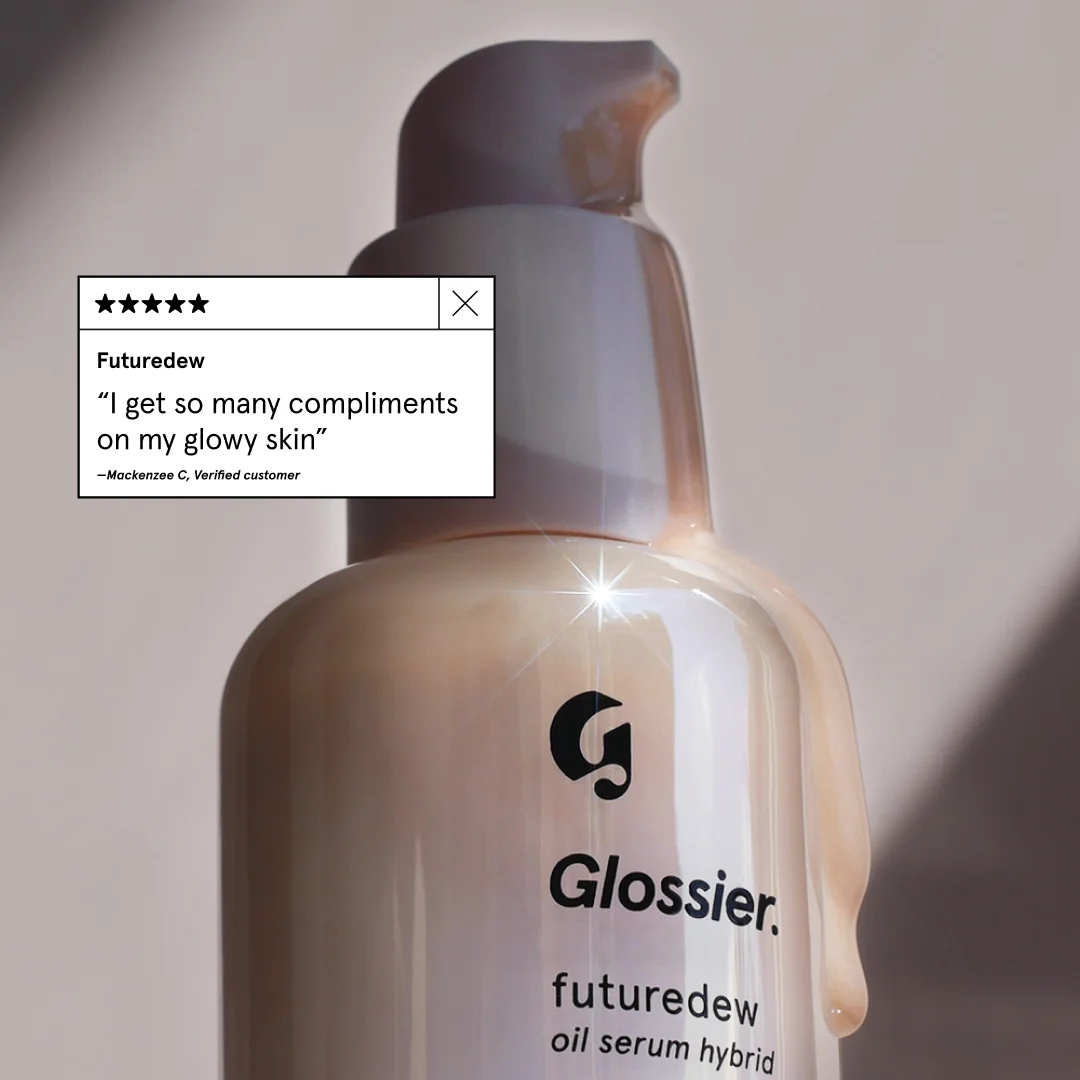
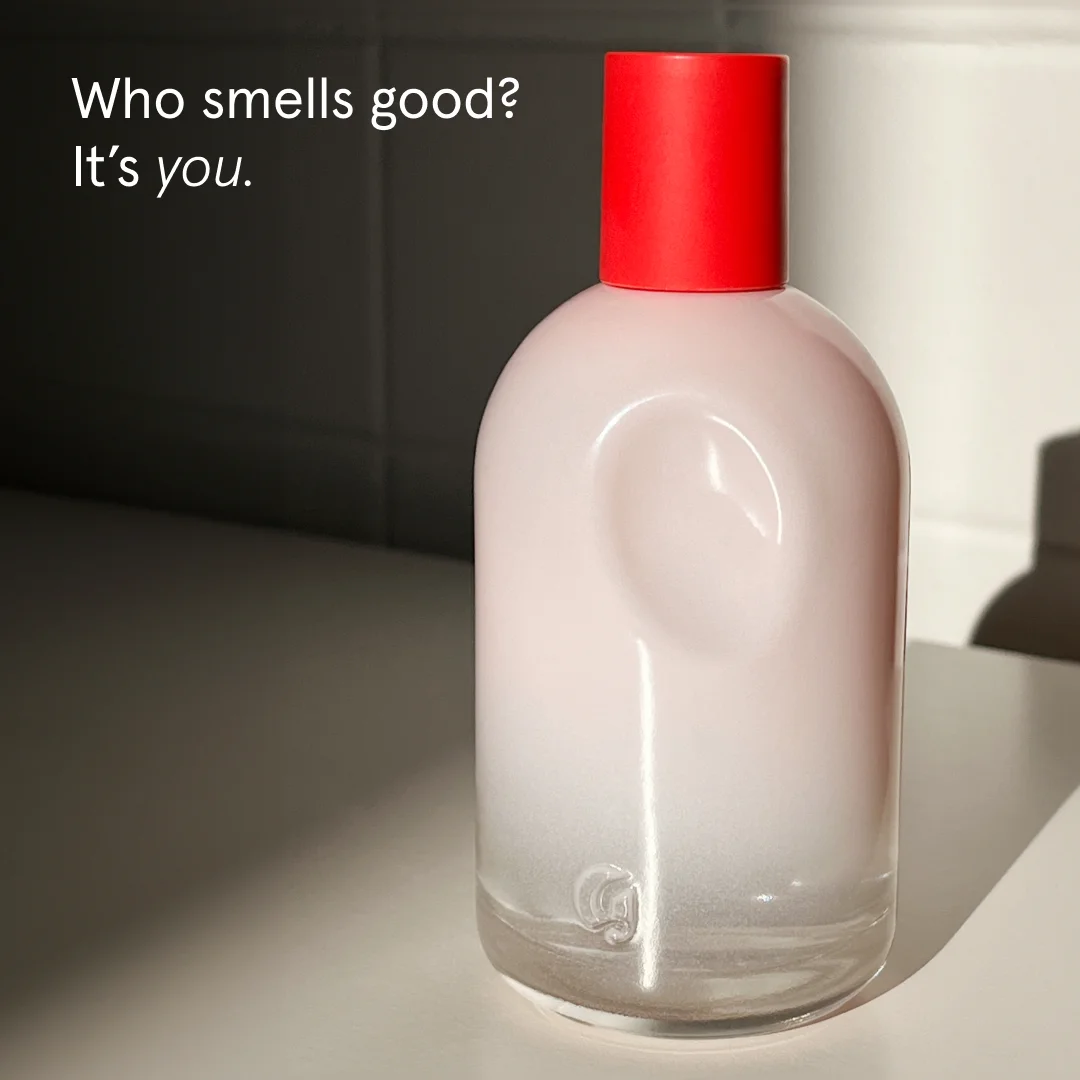
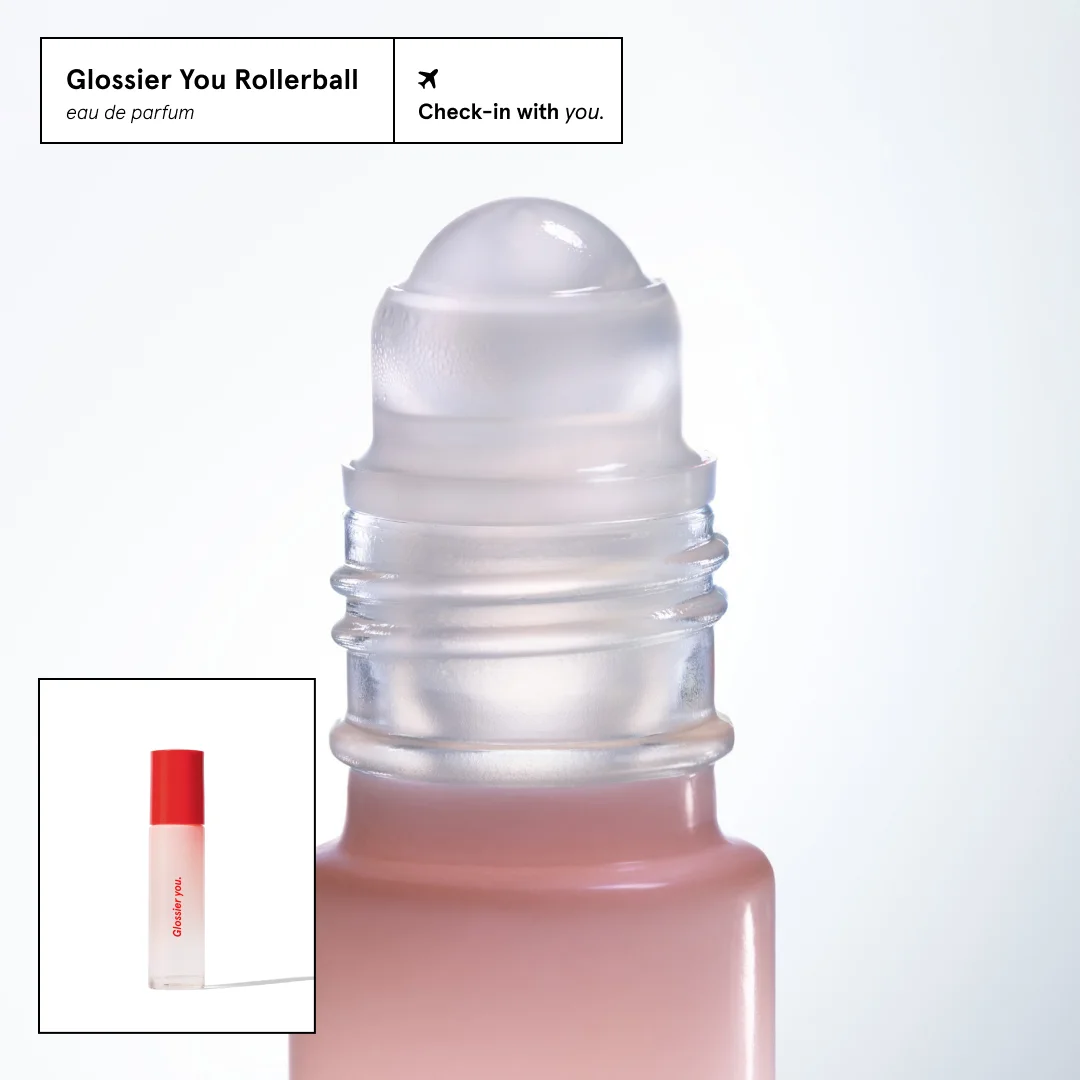
Glossier's ads almost never show the product doing anything. A pastel wall, a single tube of Balm Dotcom, a freckle-covered cheek. Zero hard selling. Glossier sells identity, not formula — and every ad is built as a belonging cue, not a feature sheet.
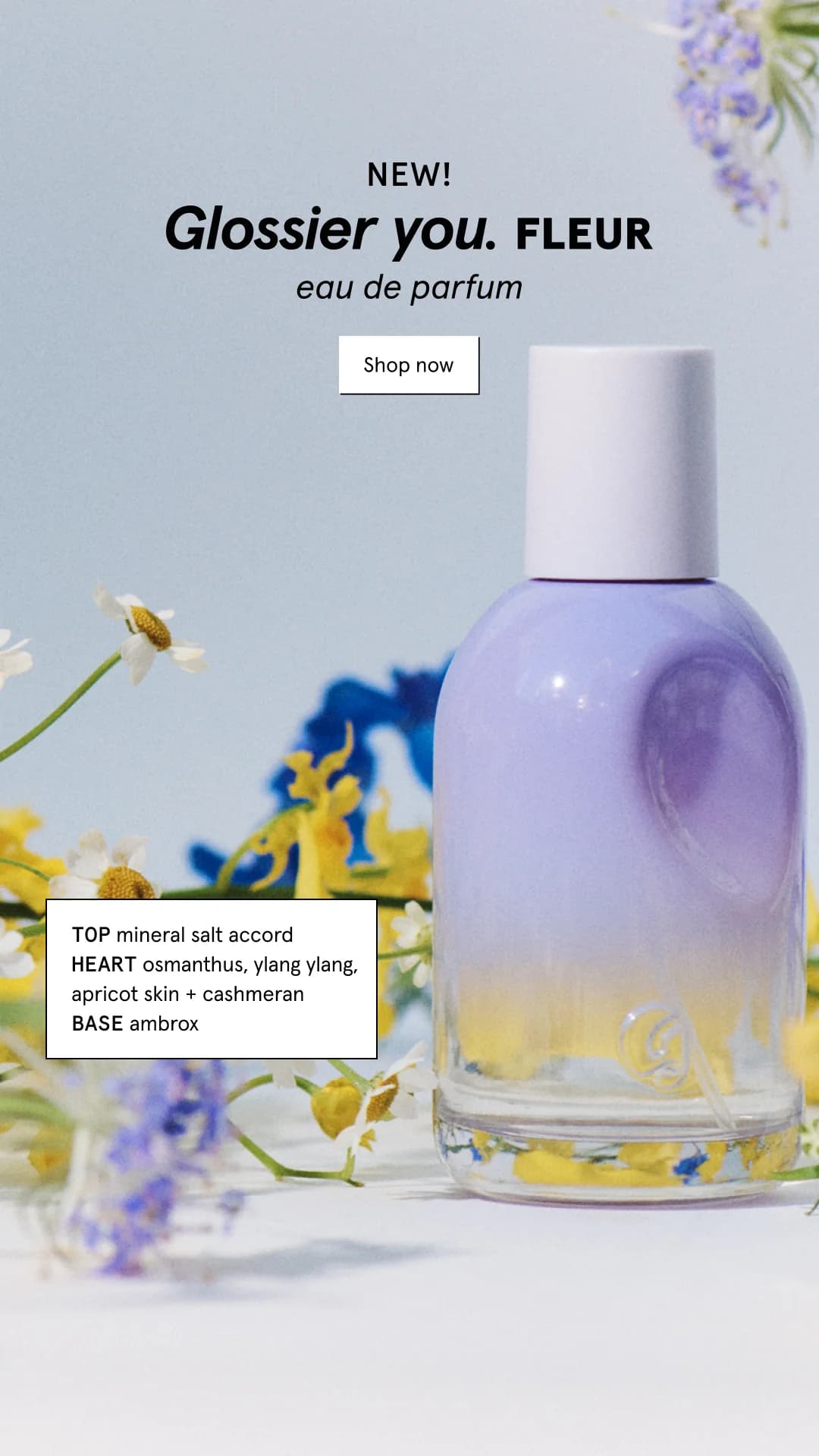
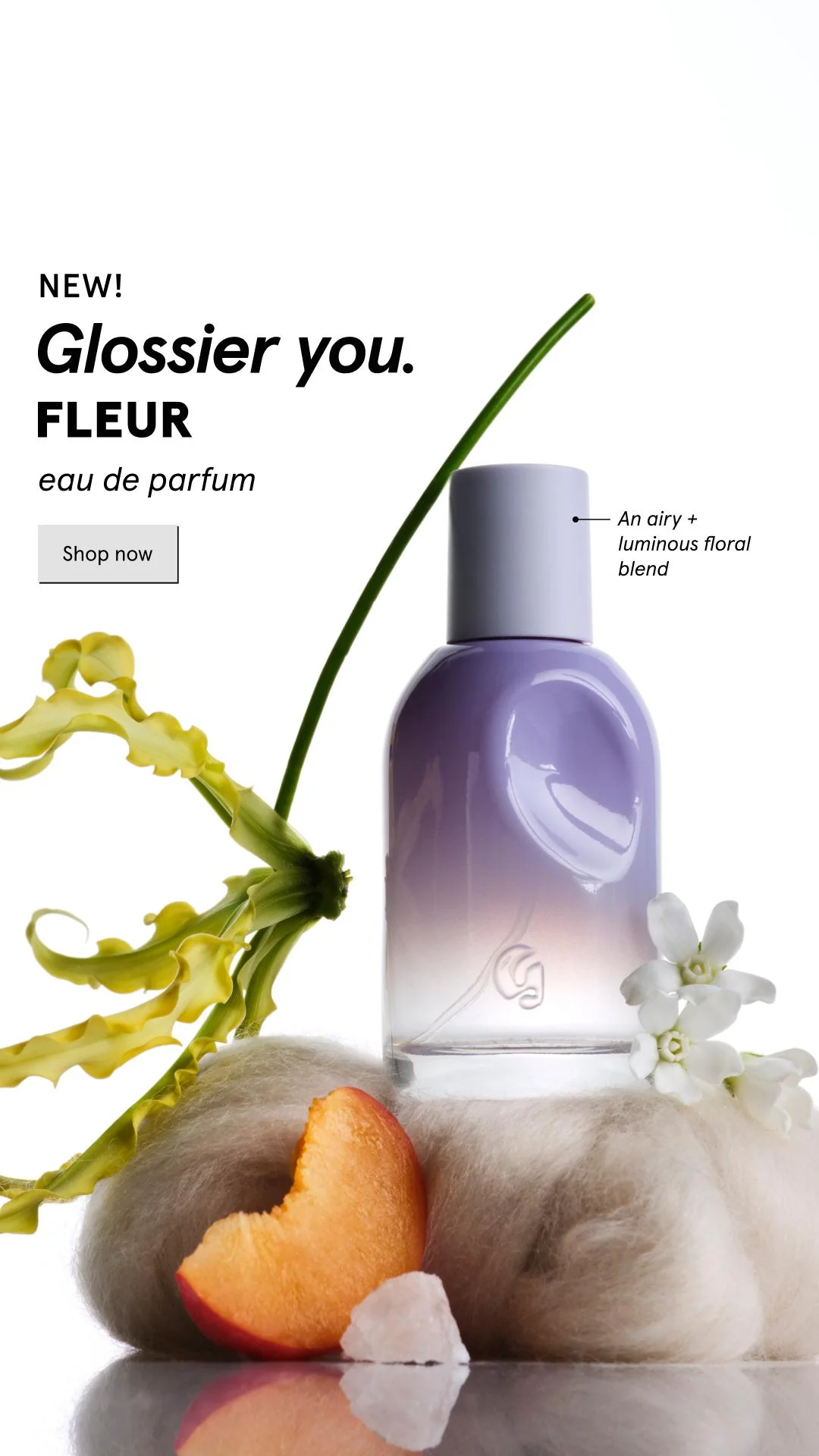
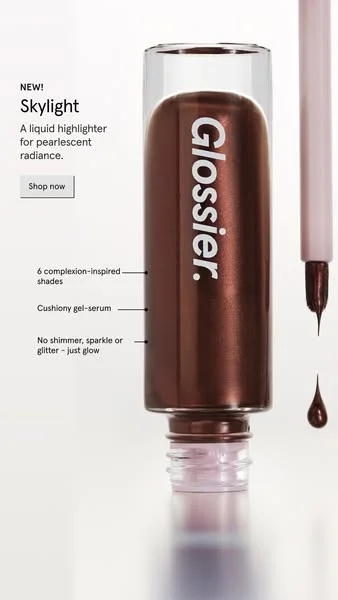
Look across their Instagram feed and the same recipe repeats. Millennial pink and dusty peach backgrounds. Negative space taking up 60-70% of the frame. Human hands holding the product, or UGC-style selfies with visible pores. Copy stays short and conversational — five to seven words, lowercase, no marketing-speak. Platforms skew hard to Instagram and TikTok, where the aesthetic reads native rather than sponsored.
Our Glossier ad examples collection pulls product shots, UGC posts, and campaign stills that defined the brand. Filter by format to find the pastel hero shots, skin close-ups, and tube-in-hand flat lays that repeat across every launch. Each entry links to the composition patterns, palette cues, and copy length choices that drove the original placement — receipts for what the brand runs in real campaigns, not generic DTC theory.
 Why Clone Ads
What Makes Glossier Ads Convert
Sell the mood, fill less of the frame
Glossier's best-performing ads run 70% negative space, 30% product. Cramming every pixel with features, arrows, and badges kills the scroll-stop. One product, one hand, one pastel wall. Breath beats clutter.
Pastel is a positioning choice, not a color choice
Dusty pink, cream, and sage signal a specific millennial-femme mood that reads as friendly rather than clinical. Brands playing in beauty, wellness, or lifestyle see pastel backgrounds outperform white studio shots on Instagram. Worth testing against any current control.
Lead with skin, not marketing copy
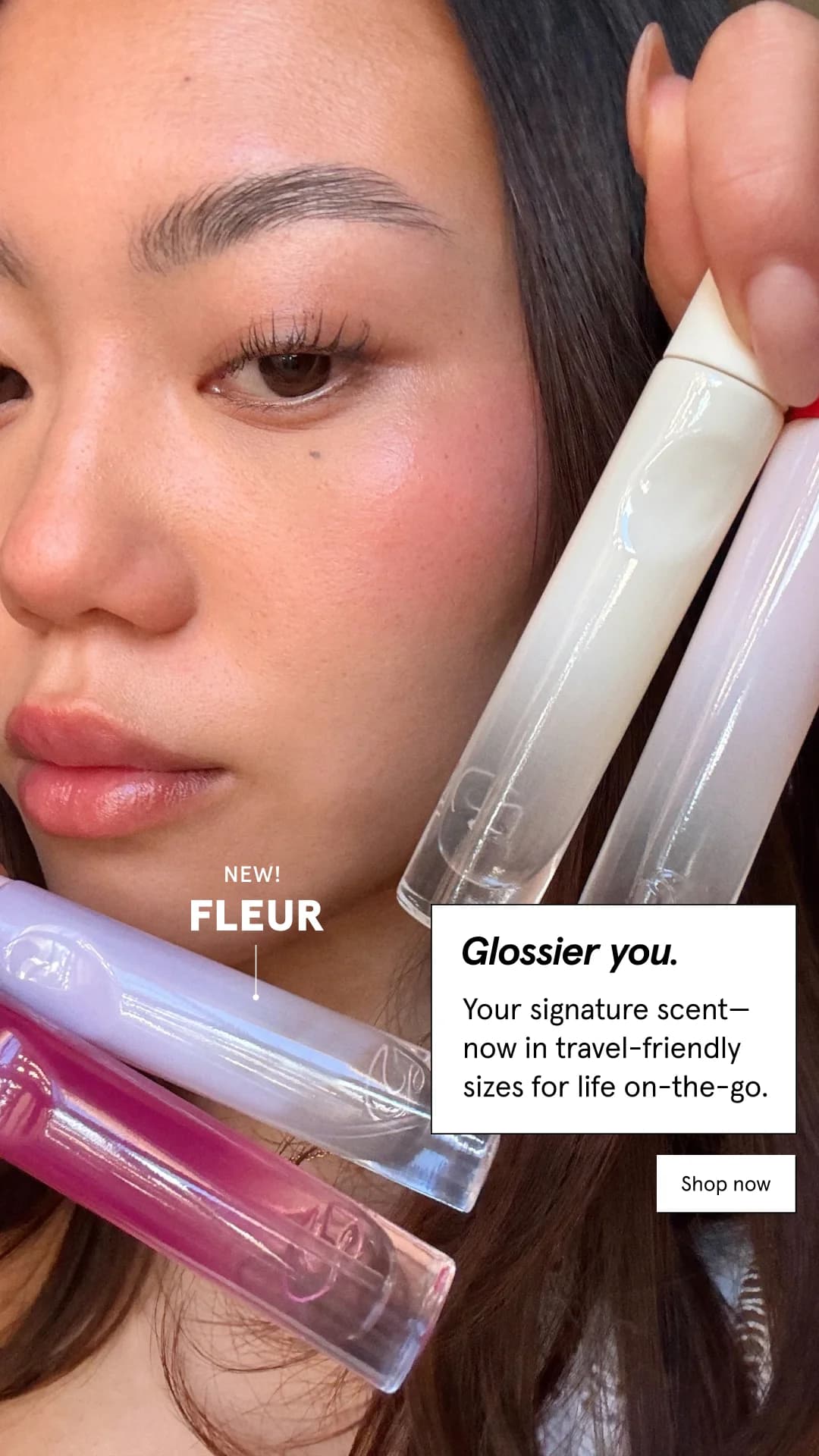
Glossier ads regularly show skin close-ups with freckles, pores, and redness visible. No retouching to oblivion. Realism is the brand promise — and it's why their UGC converts. Any product applied to a body should show the body honestly.
Glossier ads work because they sell identity rather than product features. Pastel palettes, negative space, and UGC-style close-ups create a feed-native aesthetic that reads as friend-recommendation rather than advertisement. Copy stays short and lowercase — no claims, no countdowns, no CTAs shouting at you. Consistent brand colors across every asset compound into a visual signature shoppers recognize before they read a word.
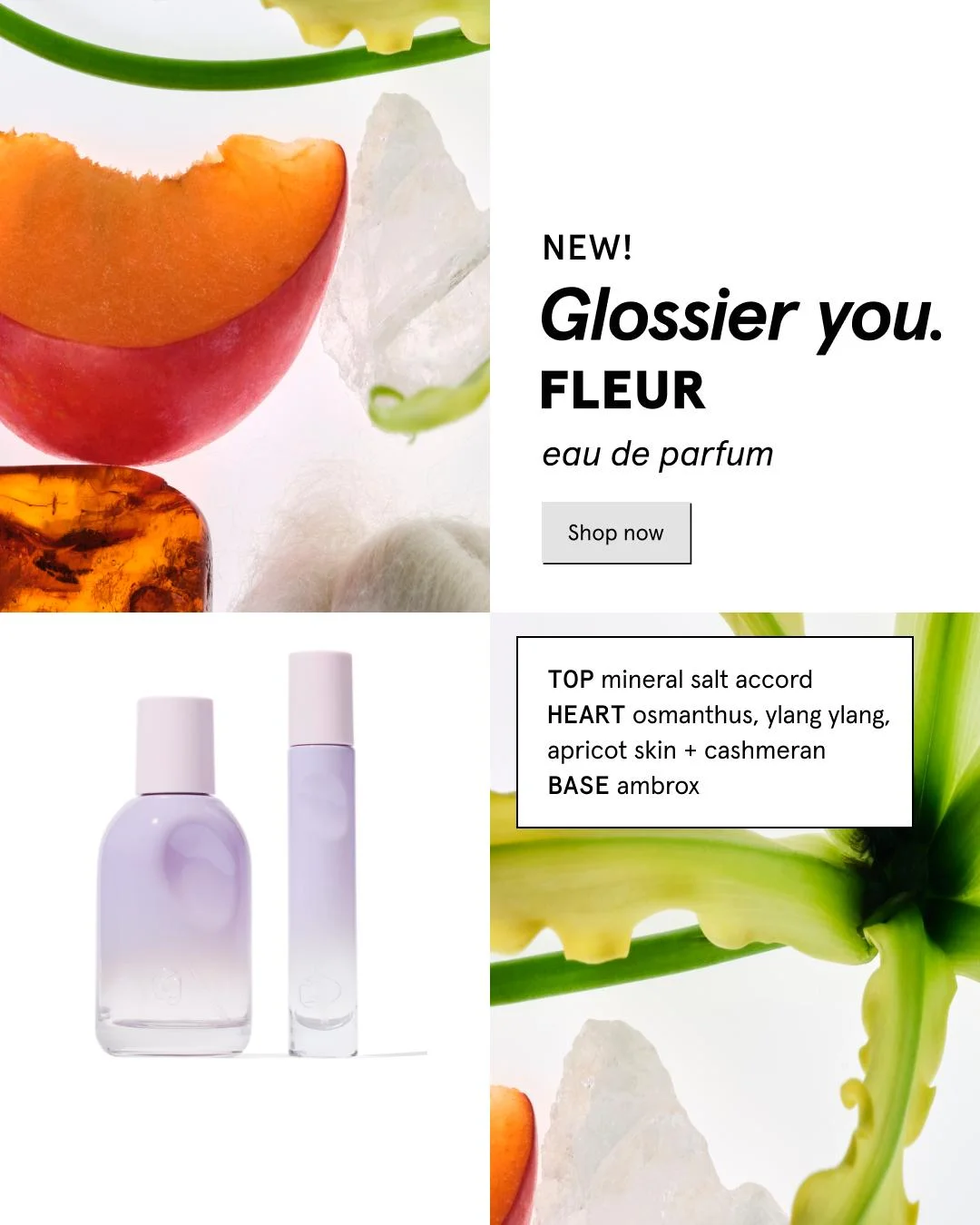
Minimalist, pastel, and UGC-forward. Backgrounds stick to millennial pink, dusty peach, cream, and occasional sage. Product usually sits centered or slightly off-axis, held by a hand or floating on a flat surface. Skin close-ups with visible freckles and pores show up across launches. Typography — when it appears at all — runs lowercase serif or clean sans-serif, never bold screamers. Editorial, not promotional.
Instagram carries the primary spend by a wide margin, followed by TikTok. Facebook and Pinterest get spillover. Glossier built its brand on Instagram's grid starting in 2014, and ad creative still treats that platform as home base — portrait 4:5 and 9:16 vertical dominate, with square 1:1 as backup. YouTube and Google Display stay rare because the aesthetic depends on feed context to read correctly.
UGC sits at the center of the strategy, not bolted on as an afterthought. Glossier regularly runs customer selfies as paid ads with light brand styling — logo in a corner, a pastel frame, a price. Customers tag @glossier, the brand reposts, and top posts get ad budget. Content looks like a friend's selfie rather than a studio shoot, which holds scroll-stopping attention longer than polished creative.
Early Glossier (2014-2018) ran almost entirely on organic Instagram and community — ads were light because the feed was doing the selling. From 2019 onward, paid spend scaled on Facebook, Instagram, and TikTok, but creative stayed loyal to the pastel-UGC formula. Recent shifts include more video product demos, a push into makeup-application Reels, and Sephora retail integration visible in fall-campaign creative.
Create Your Own
Glossier Ad
Clone any glossier ad example. Upload your product photo. Seconds later, you have a finished ad ready to launch.
Create your ad